
Arabic Perfume
Arabic perfumery is built on presence rather than restraint. Where a designer fragrance is often designed to sit close to the skin, a Middle Eastern one is designed to be noticed and to still be there hours later — through higher oil concentrations, heavier base materials such as oud and amber, and briefs written for projection.
- 101 of the 187 fragrances in stock (54%) come from Middle Eastern houses — Lattafa, Armaf, Afnan, Rasasi Hawas, Paris Corner, Khadlaj and others.
- 179 of our fragrances are eau de parfum concentration, which is standard for the region and a step above the eau de toilette usually sold at the same price by designer houses.
- Median price across the catalogue is $36.45.
Arabic Perfume in stock
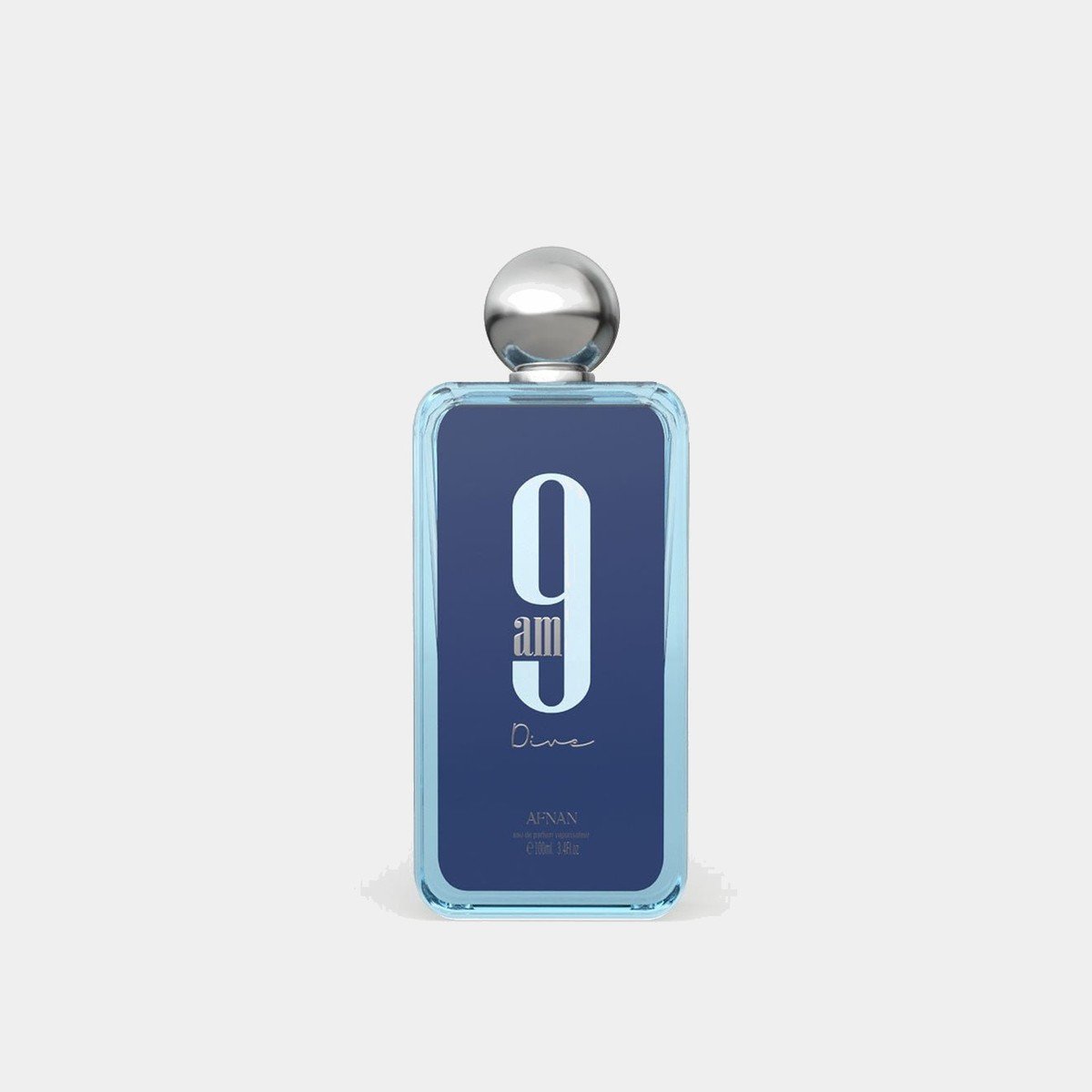
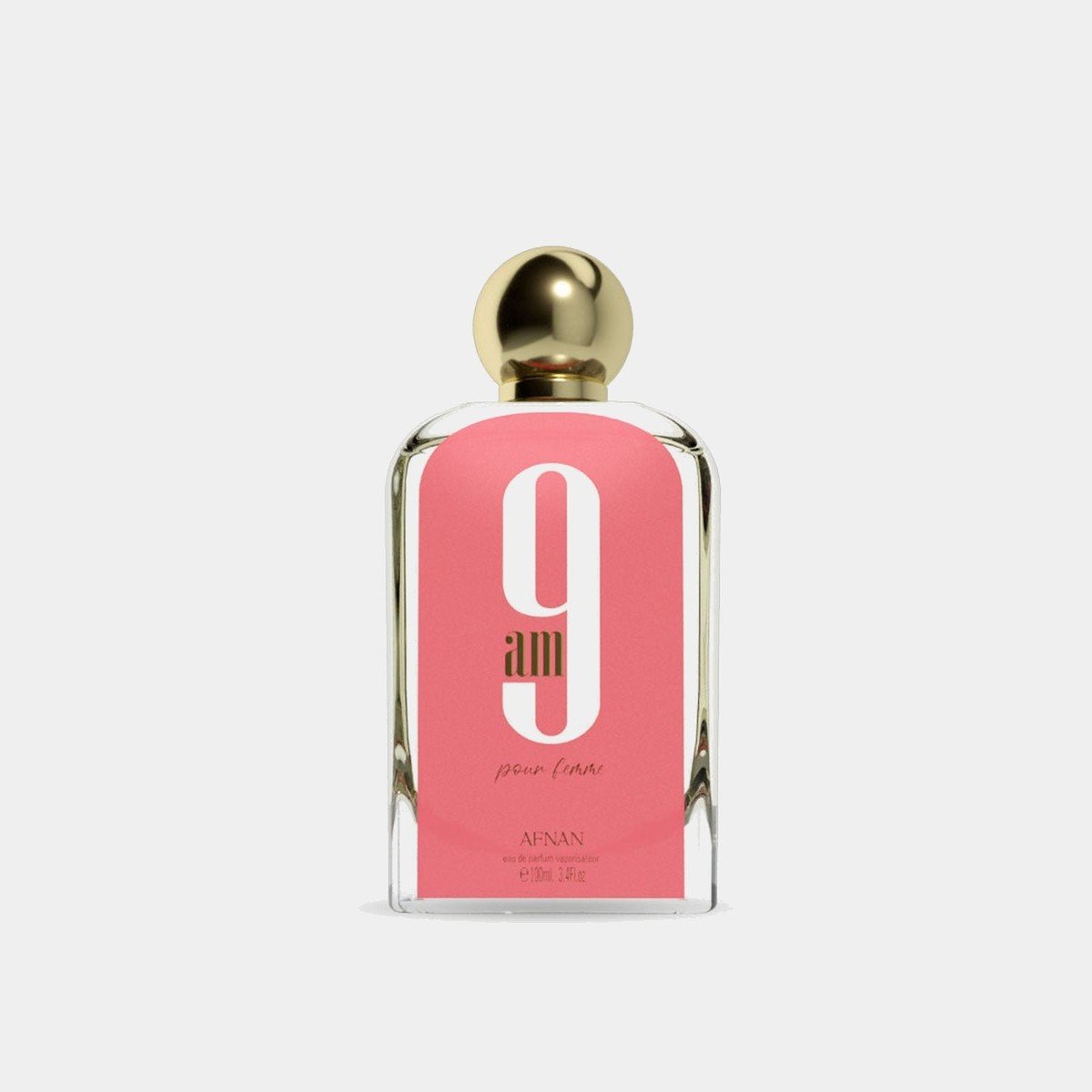
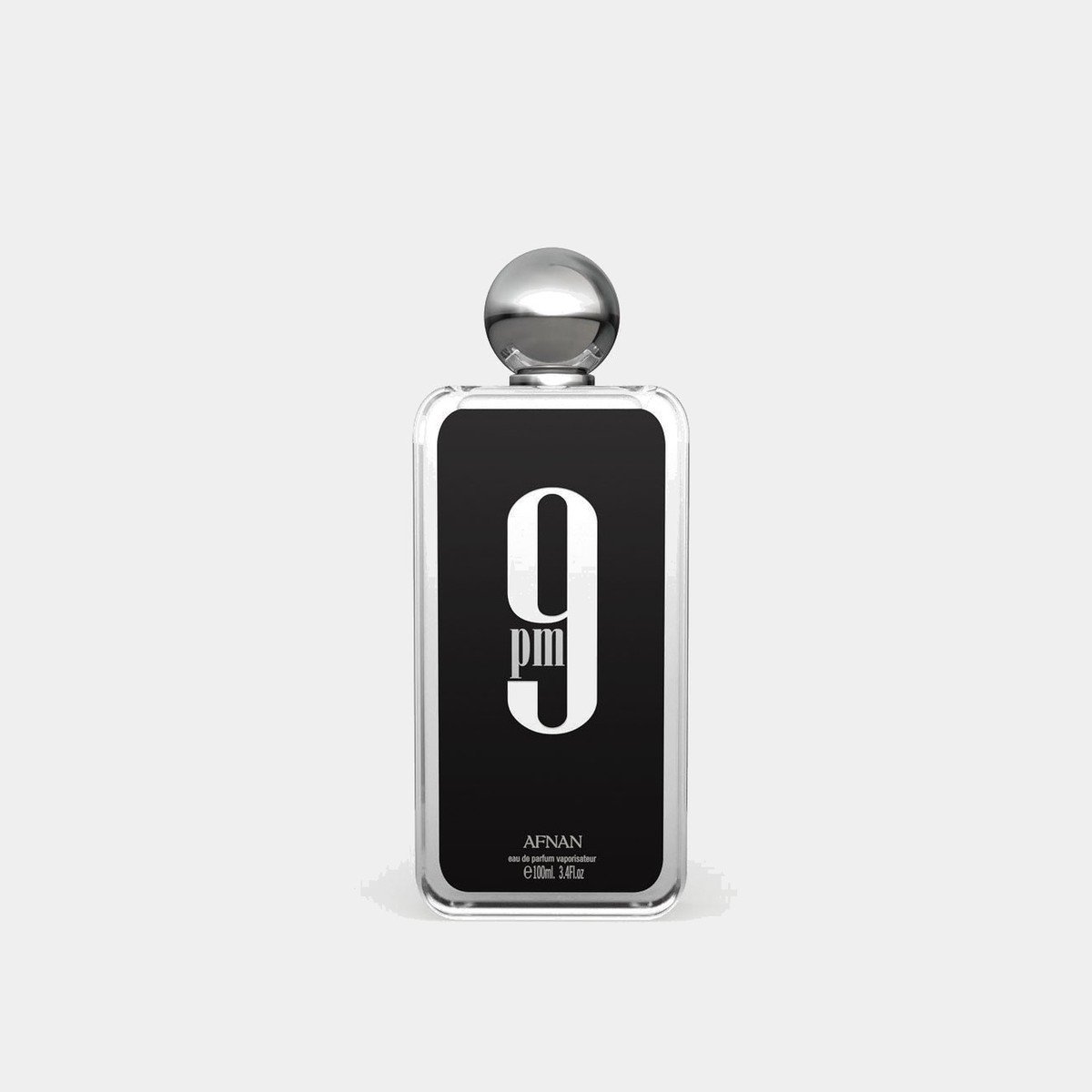
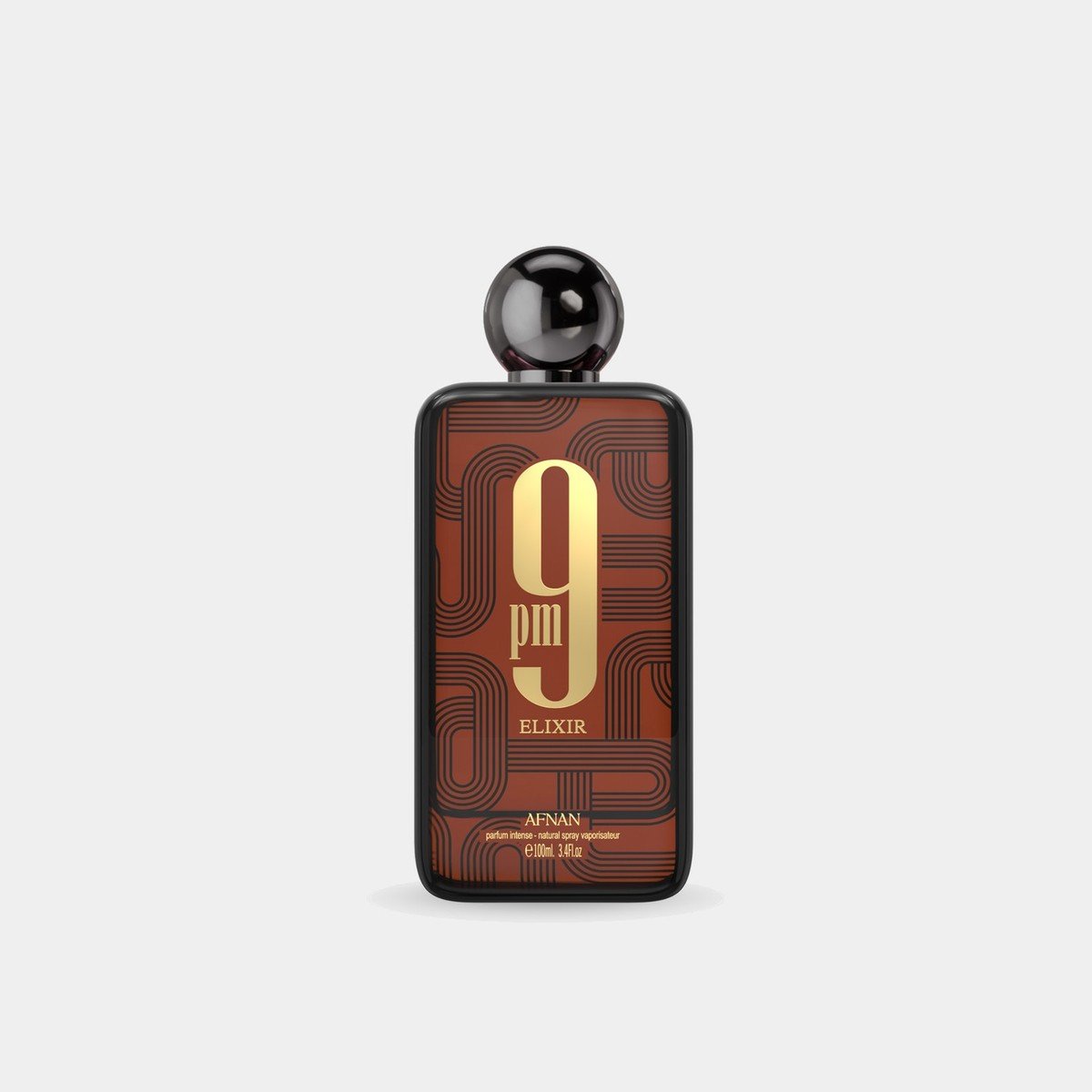
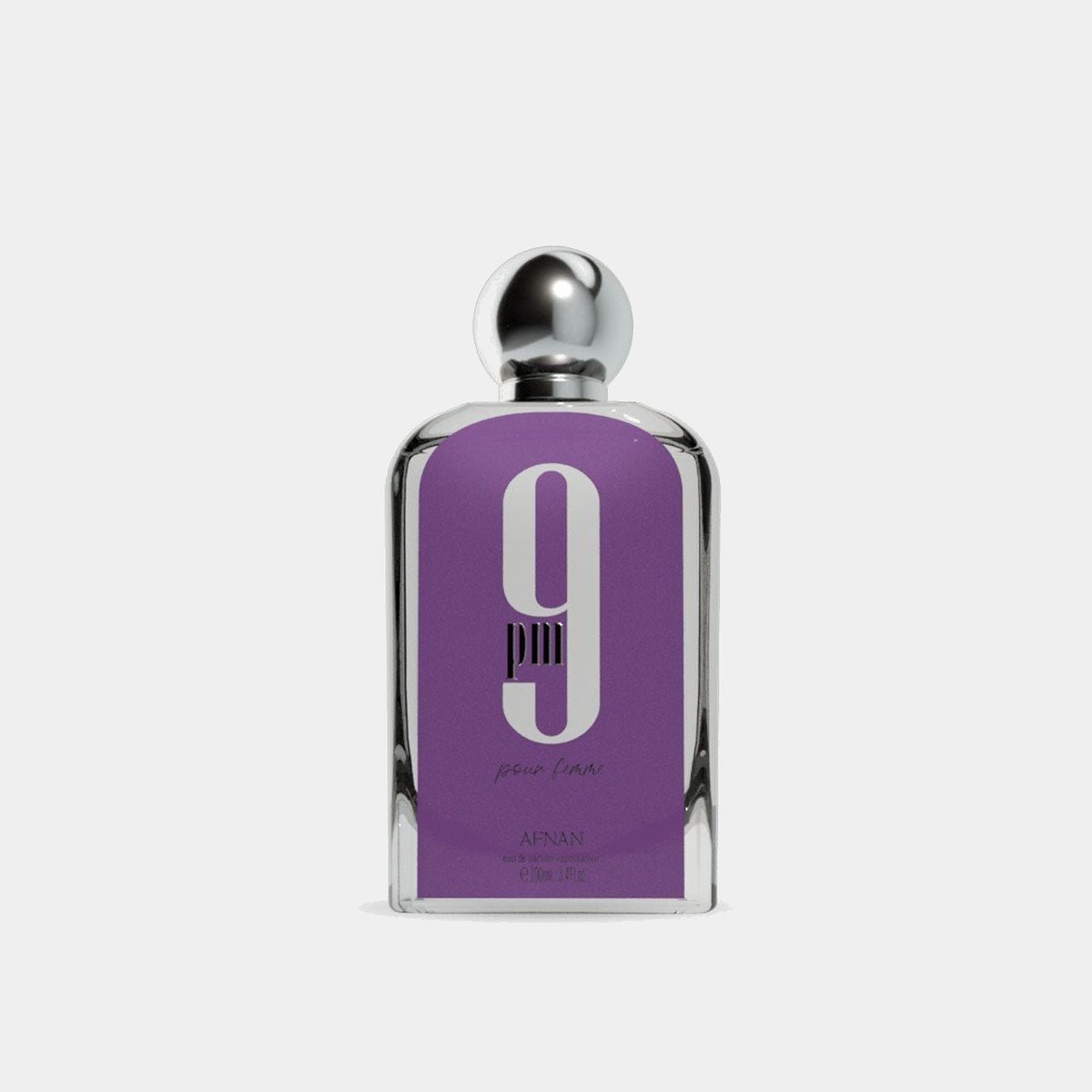
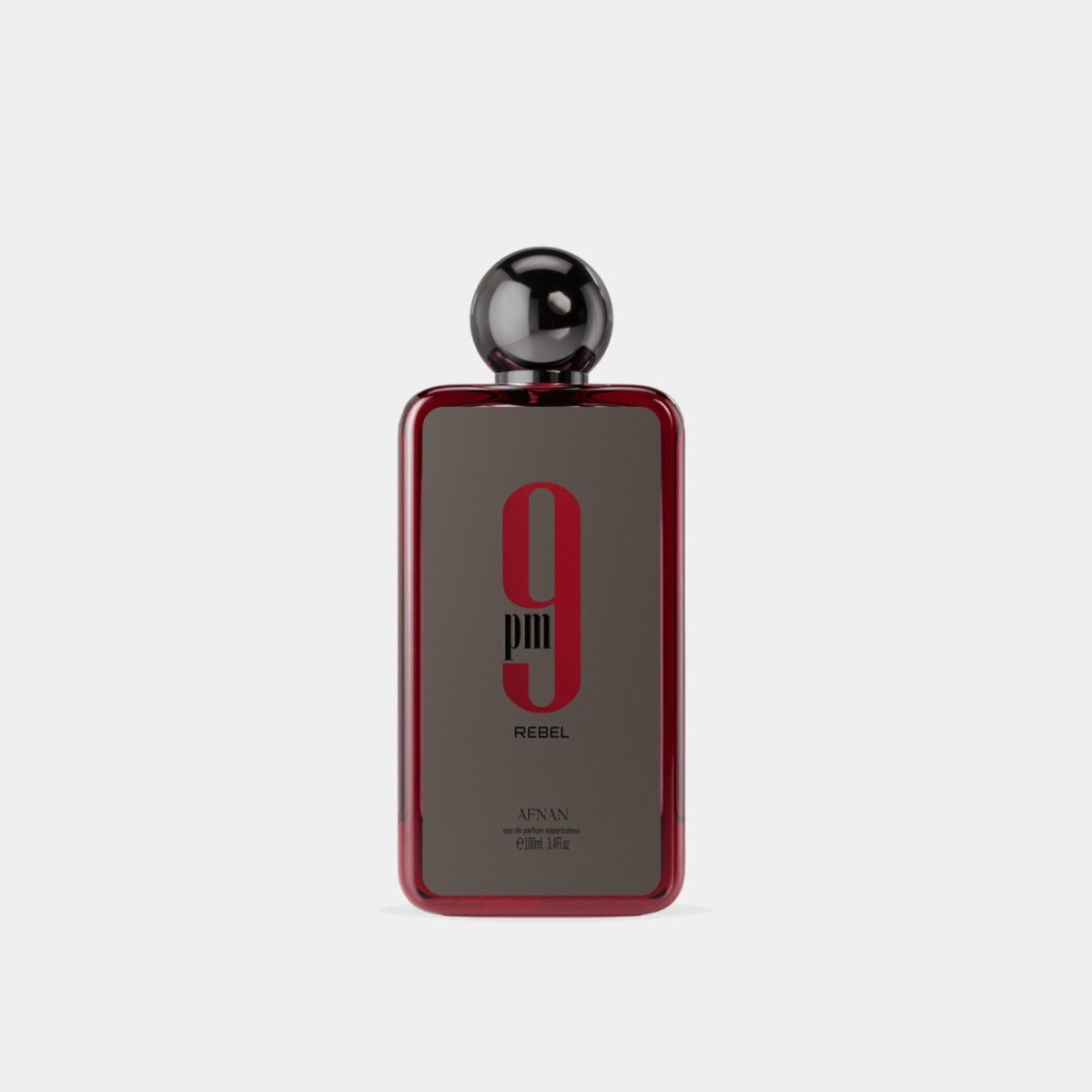
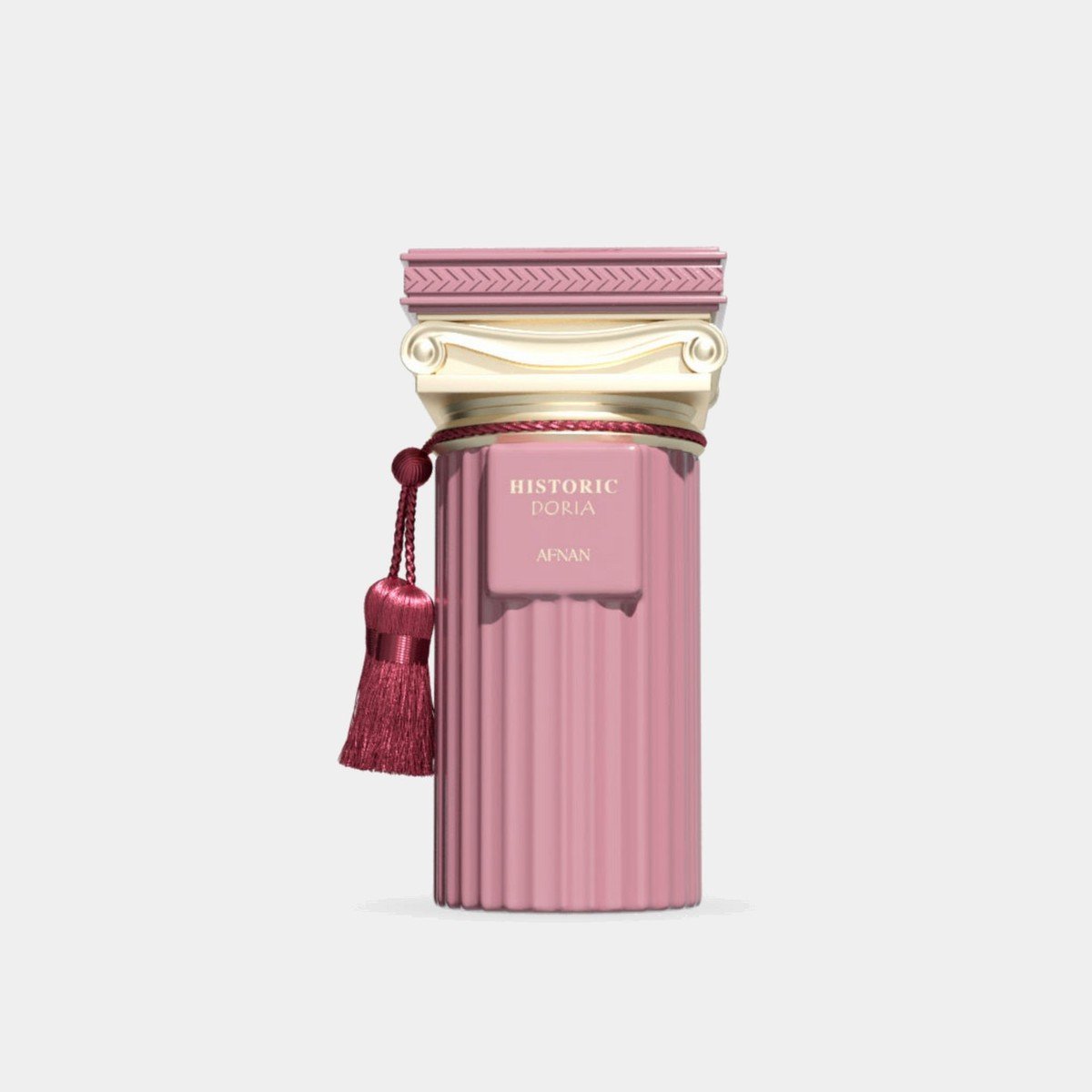
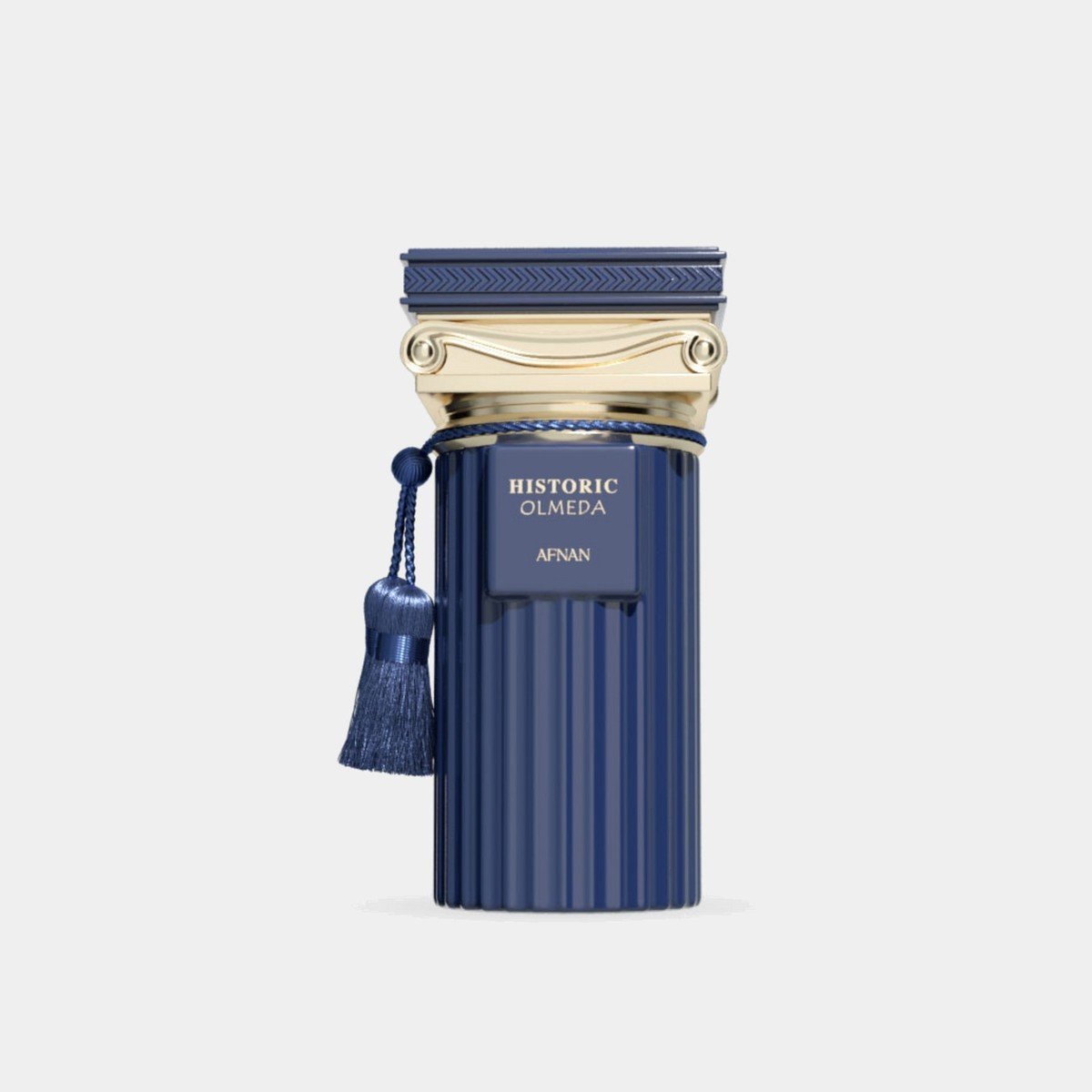
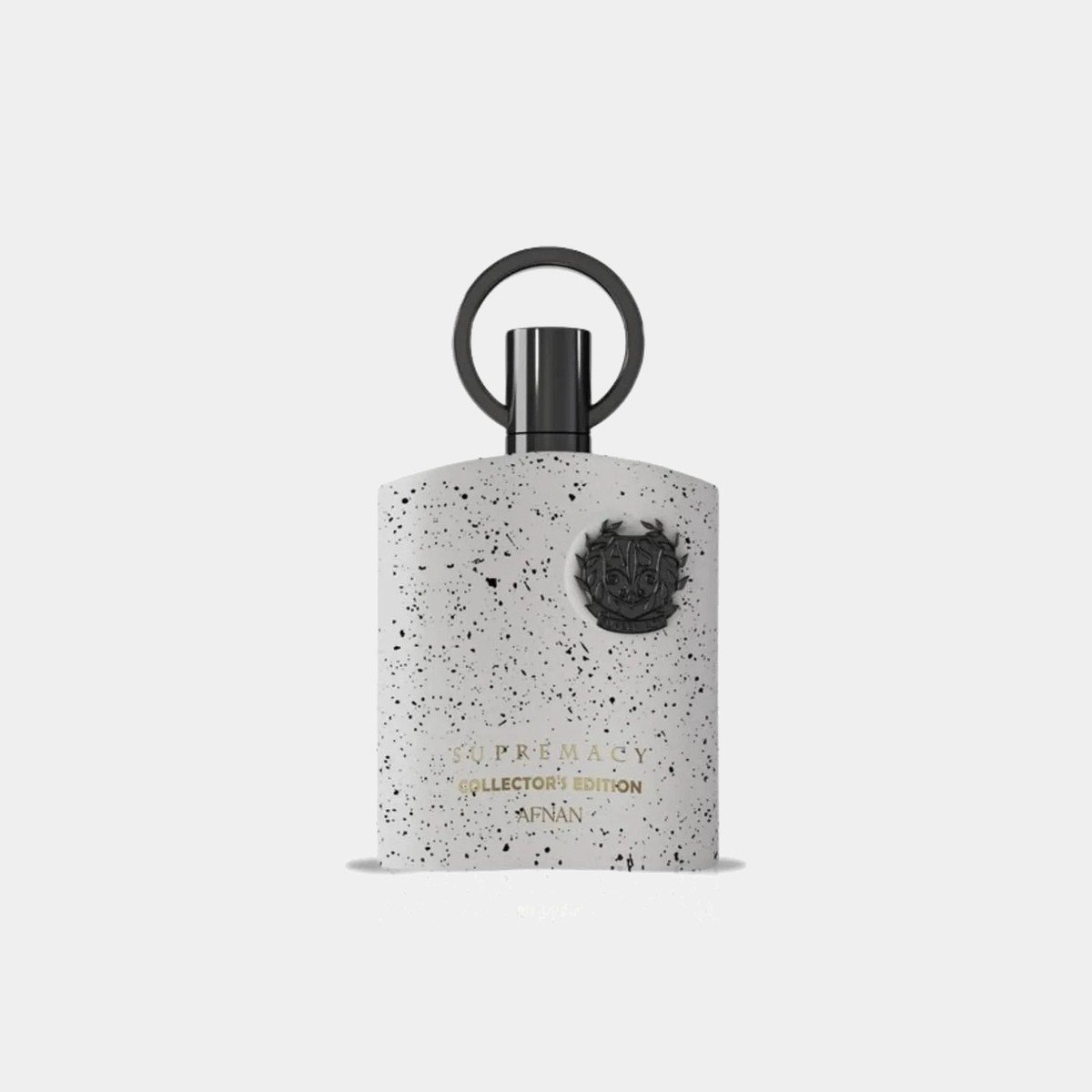
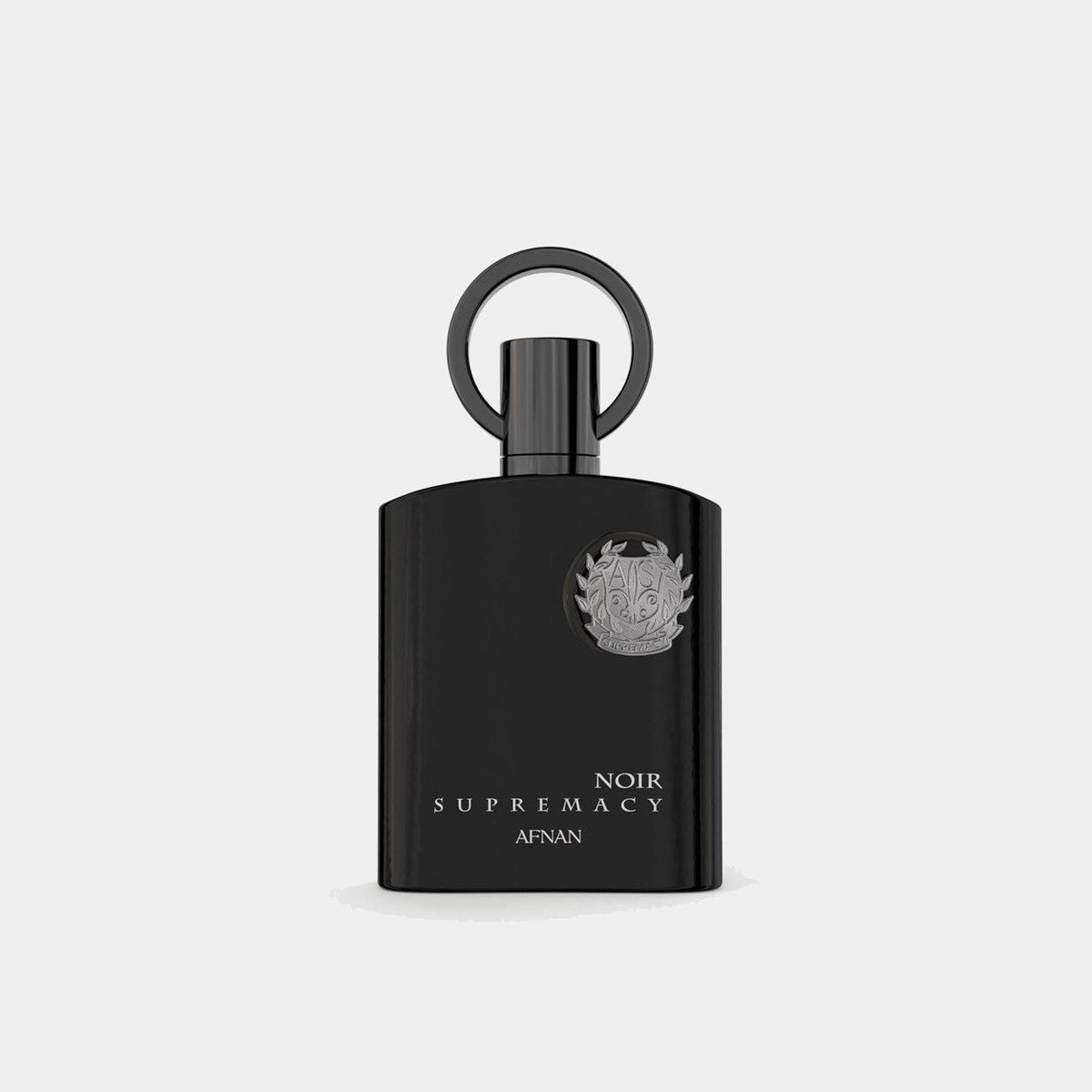
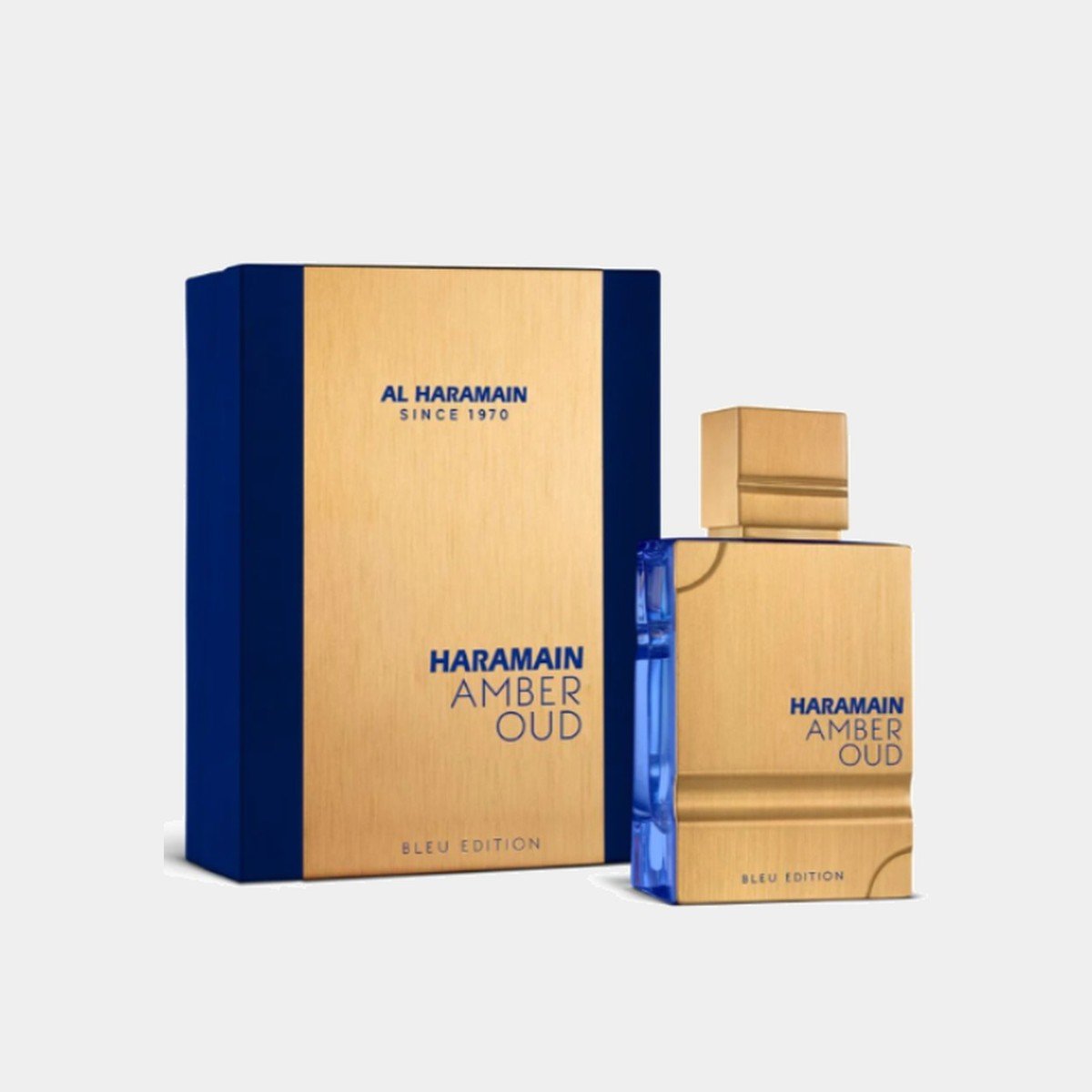
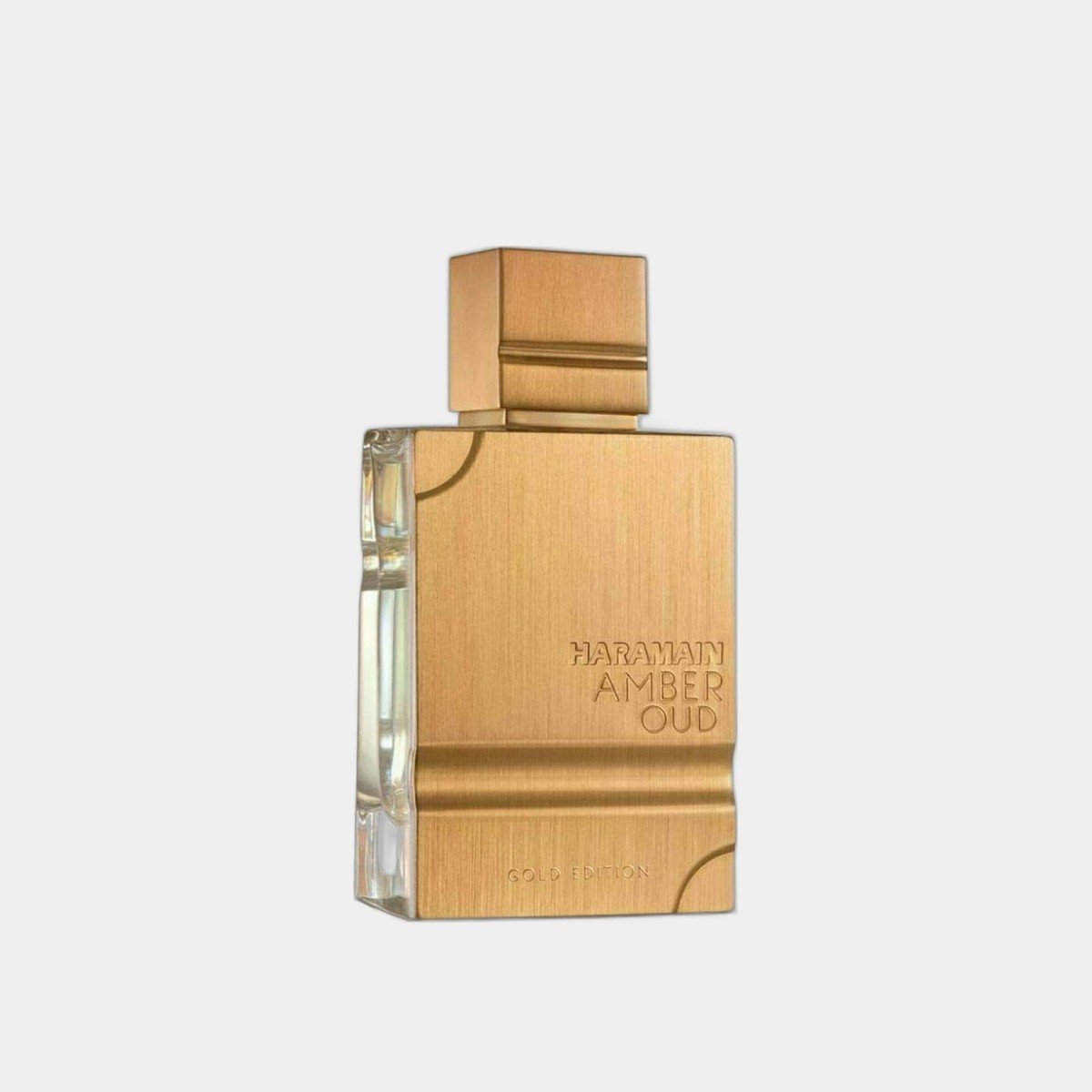
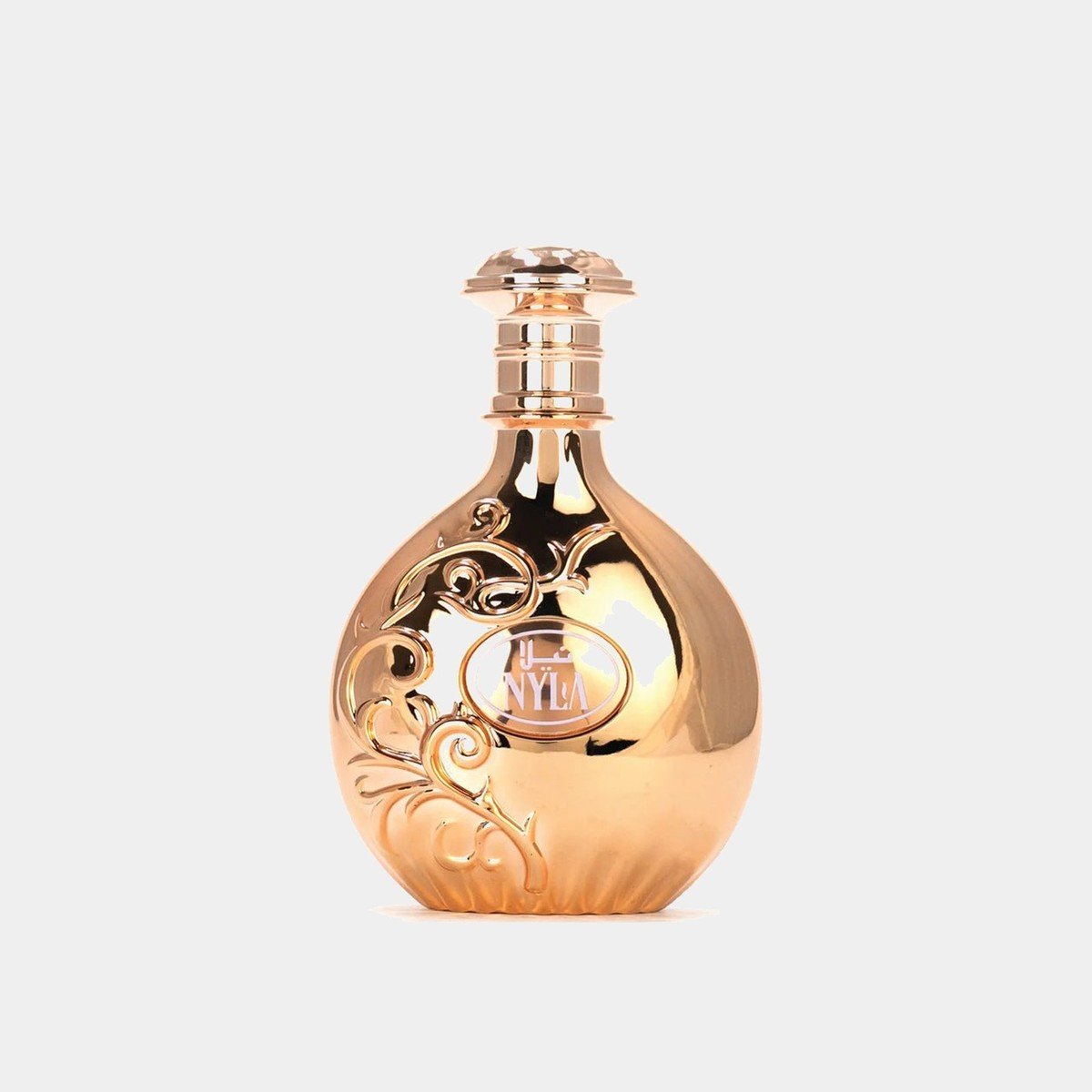
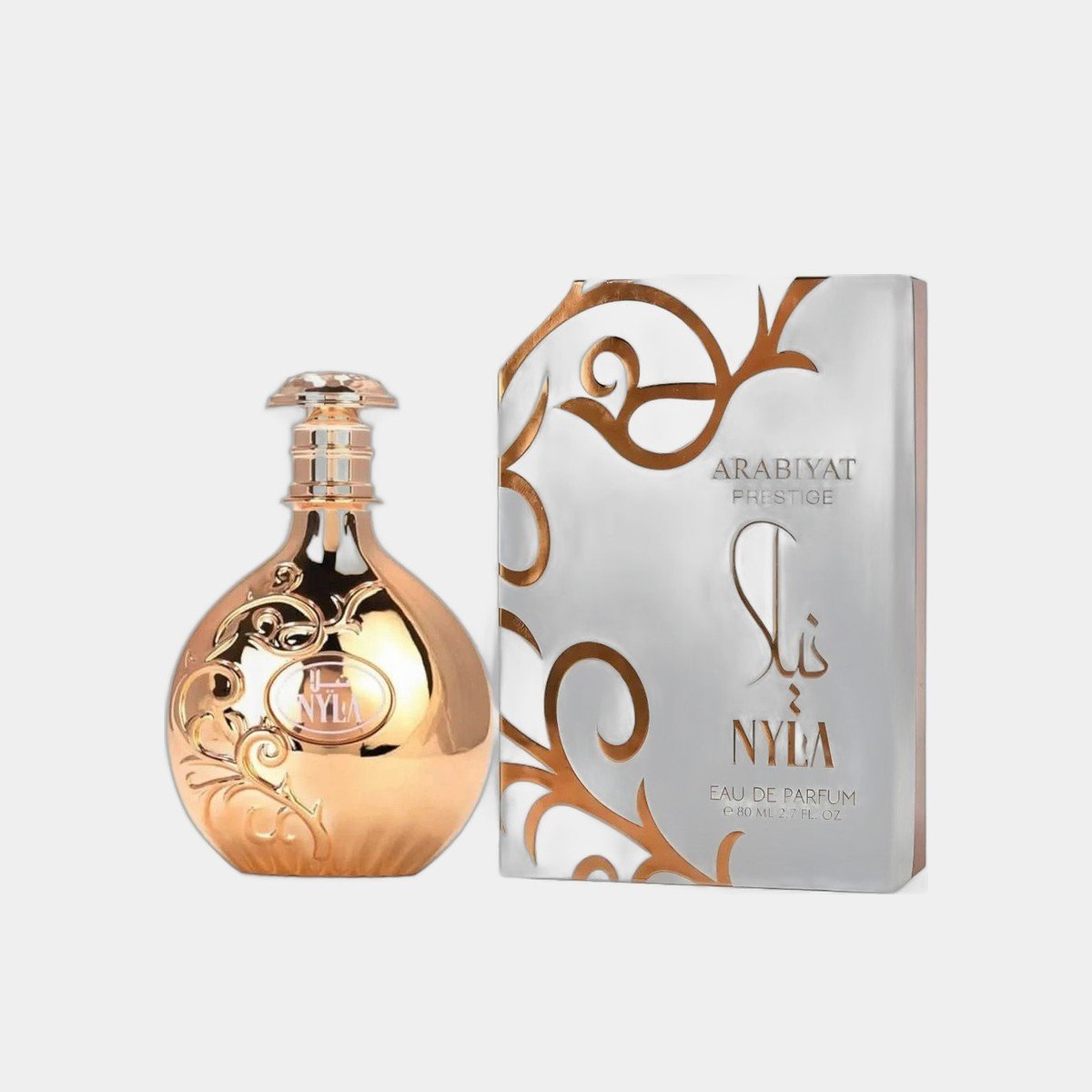
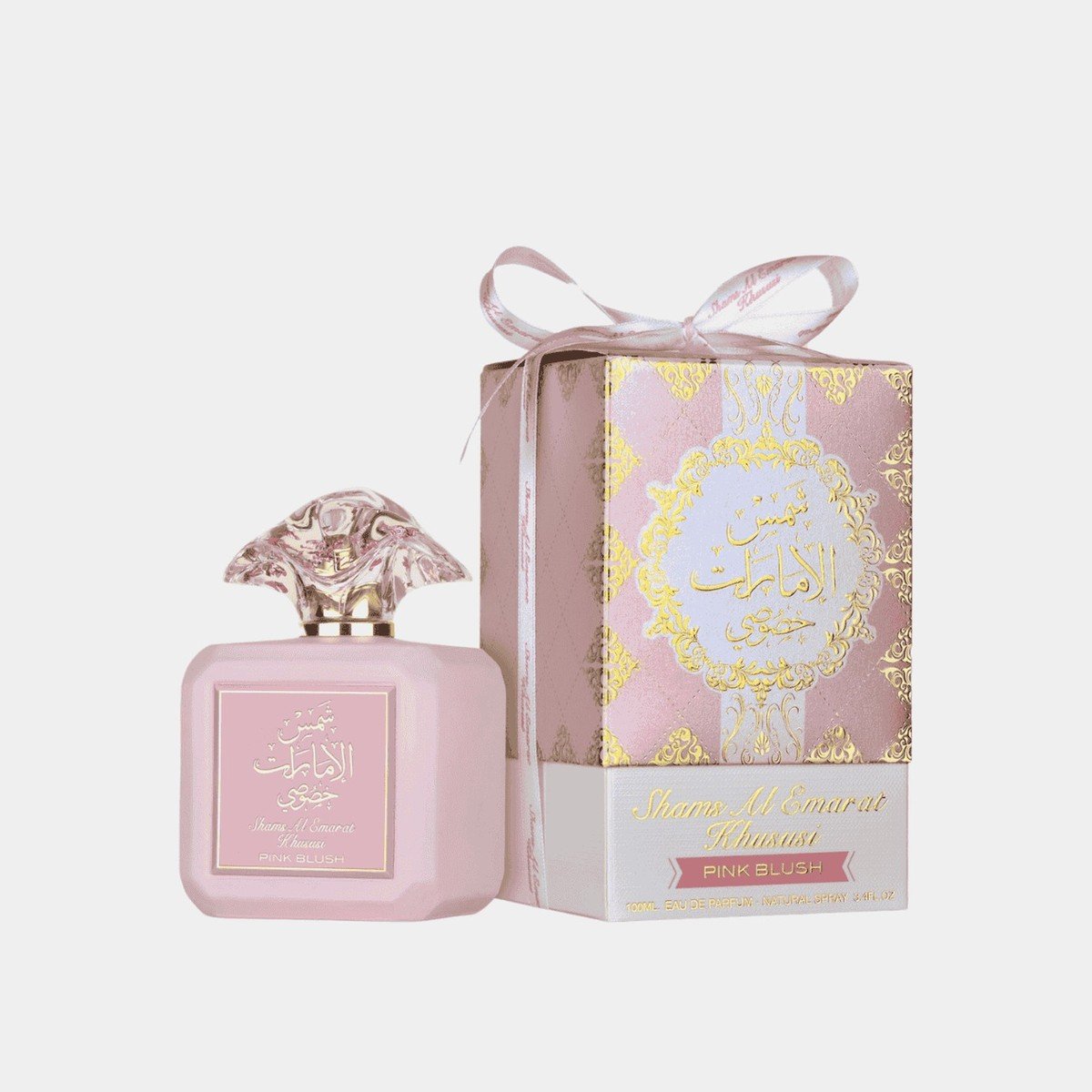
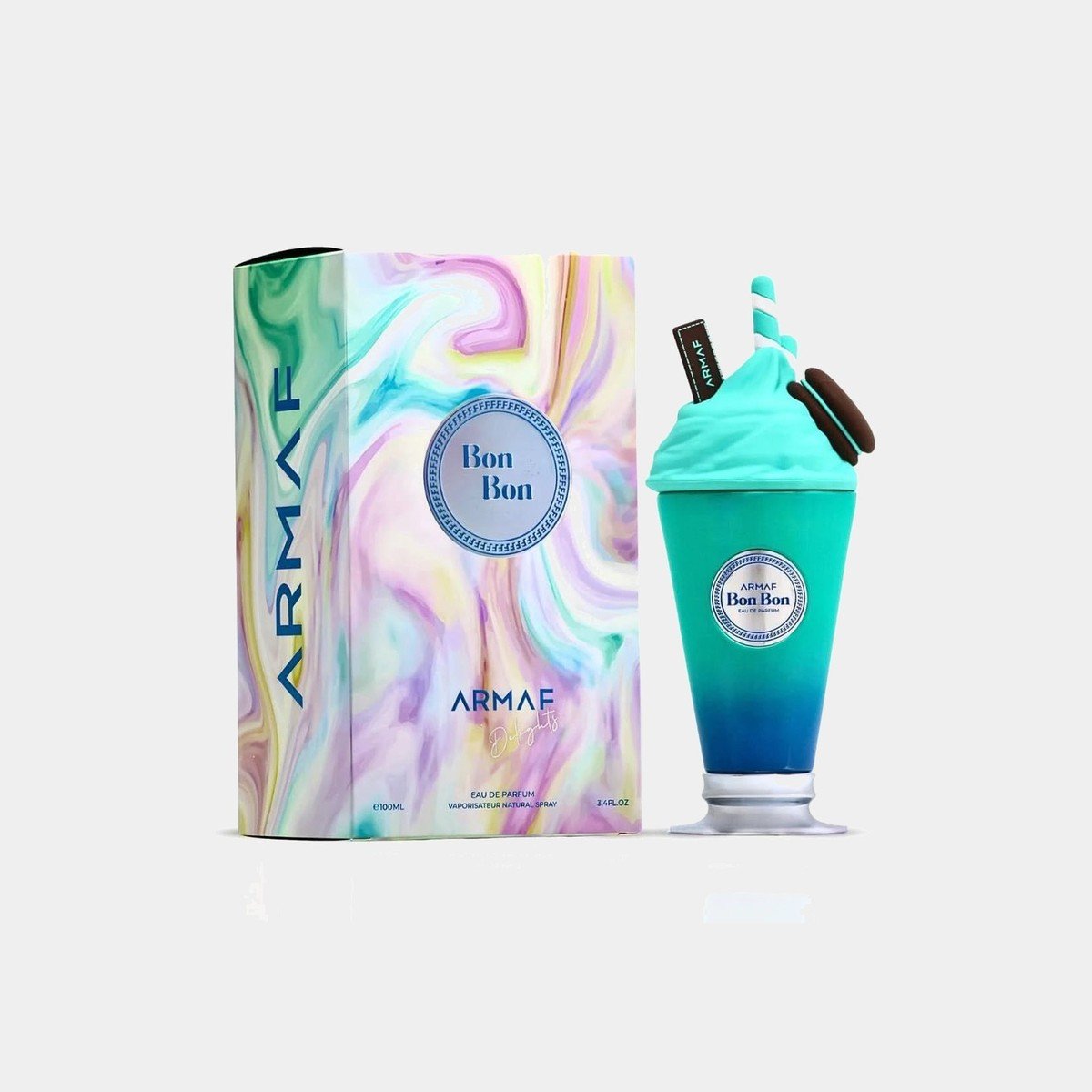
Showing 16 of 101. Browse the full catalogue — filter by scent family, season, brand, gender and size.
Why it lasts longer
Higher concentration as standard. Most Arabic releases are eau de parfum — roughly 15–20% fragrance oil — where the designer equivalent at a similar price is eau de toilette at 5–15%.
Heavier base materials. The regional palette leans on oud, amber, labdanum, benzoin, frankincense, sandalwood and dense musks. These are large, slow-evaporating molecules.
Built for projection. Perfumers working for this market are briefed to produce sillage. It is a cultural preference, not an accident, and it is why people coming from designer fragrances routinely over-apply their first Arabic bottle.
What oud actually is
Oud — also called agarwood — is a resin. An Aquilaria tree produces it as a defence response when its heartwood is infected by a particular mould; uninfected trees produce none. Because only a small proportion of wild trees are affected and the resin takes years to develop, natural oud oil is one of the most expensive materials in perfumery, priced by the gram.
Almost everything sold at accessible prices uses a synthetic oud accord instead. That is not a criticism: modern oud accords are sophisticated, consistent, and free of the sustainability problems that surround wild harvesting.
Why it costs less
The gap is structural, not a quality gap. A designer fragrance’s retail price is mostly brand licensing, advertising and department-store margin — the juice itself is a small fraction. Middle Eastern houses run almost none of that: little advertising, no licence to pay, regional production, and often near-direct distribution.
Frequently asked questions
Why is Arabic perfume so long-lasting?
Higher oil concentration (most releases are eau de parfum or stronger), heavier base materials such as oud, amber and resins, and a regional preference for projection that perfumers build for deliberately.
What is the best Arabic perfume to start with?
A fresh-spicy or woody-aromatic composition is the most forgiving first bottle — it works at the office, in warm weather and in the evening. Save the heavy oud and boozy gourmand compositions for a second purchase.
Why is Arabic perfume cheaper than designer perfume?
Because the cost structure is different, not because the juice is worse. Middle Eastern houses spend little on advertising, pay no designer licensing fee, and produce regionally.
How many sprays should I use?
Fewer than you are used to. Two on the neck and chest is usually enough indoors — these fragrances are built to carry. Four sprays of an oud composition in a small room is genuinely too much.