
Perfume Dupes
A perfume dupe is a fragrance made to smell like a more expensive one, sold under its own name at a lower price. It is not a counterfeit: the bottle, brand and name belong to the seller, and only the scent profile is modelled on something else. Fragrance formulas cannot be copyrighted, which is what makes this legal.
- 14 fragrances in stock are openly compared to a better-known composition — we state which one on the listing rather than leaving you to guess.
- Our catalogue median price is $36.45, against $80–150 for the designer and niche originals these compositions reference.
- 101 of 187 fragrances come from Middle Eastern houses, which are cheap for structural reasons — no licensing fee, little advertising — rather than because they are copies.
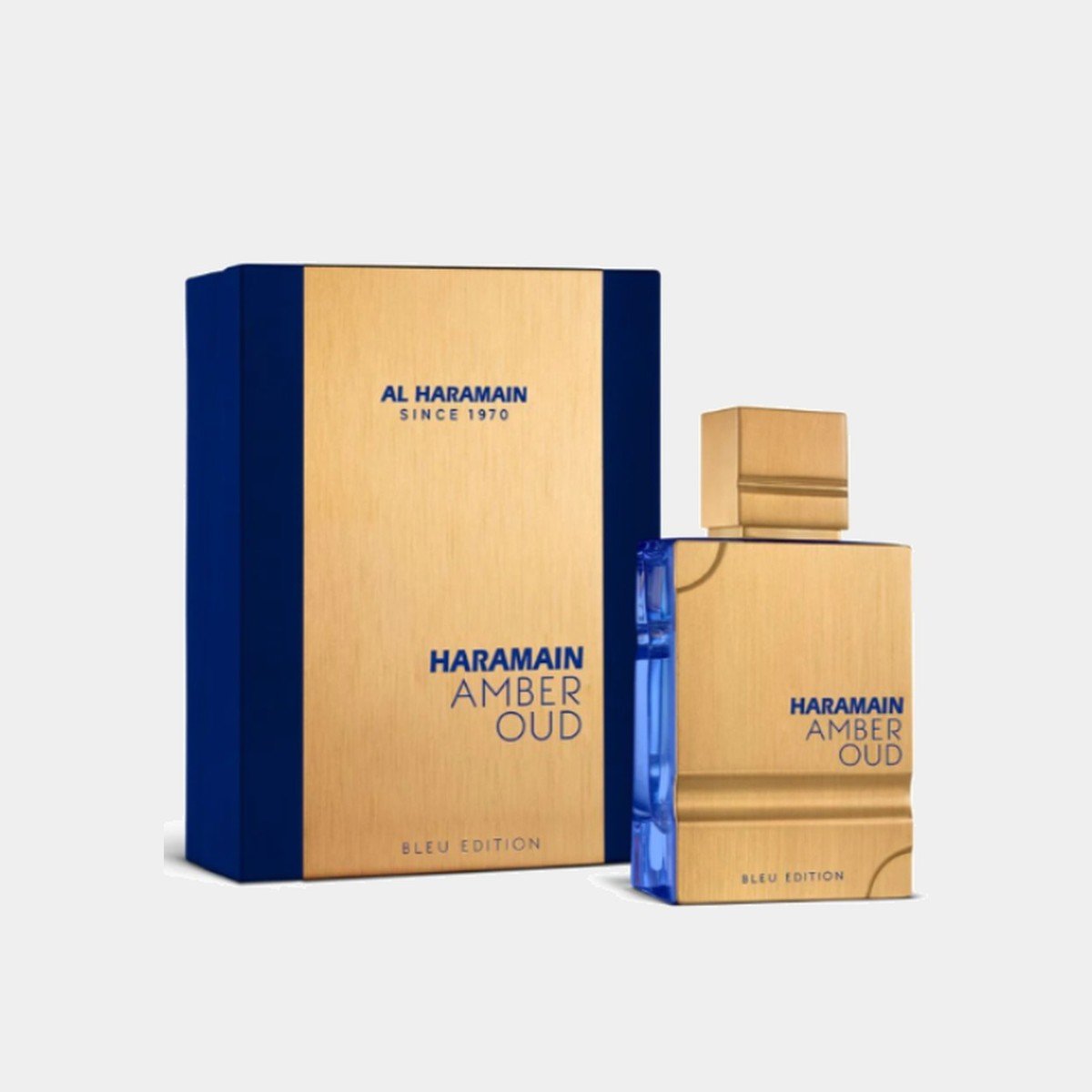
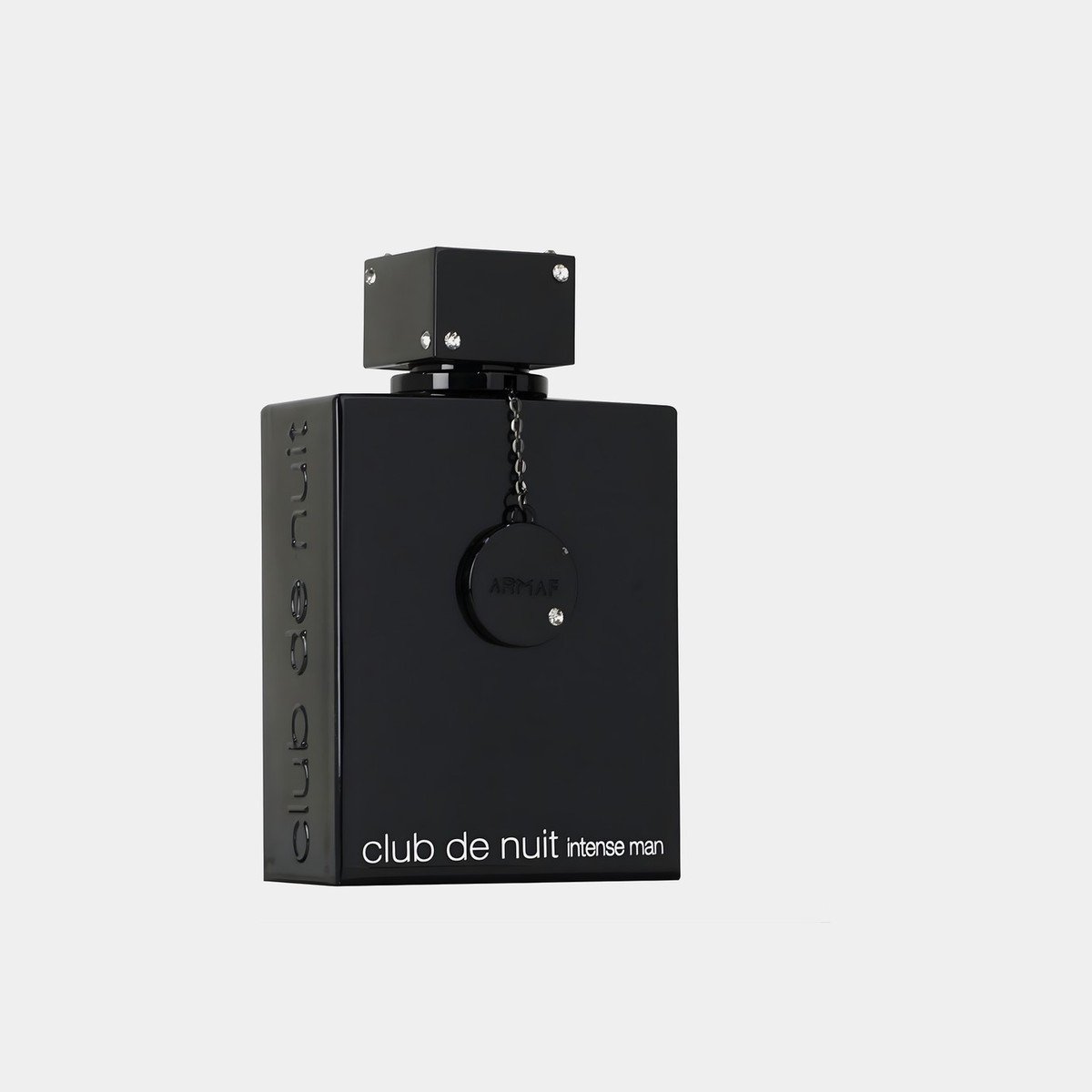
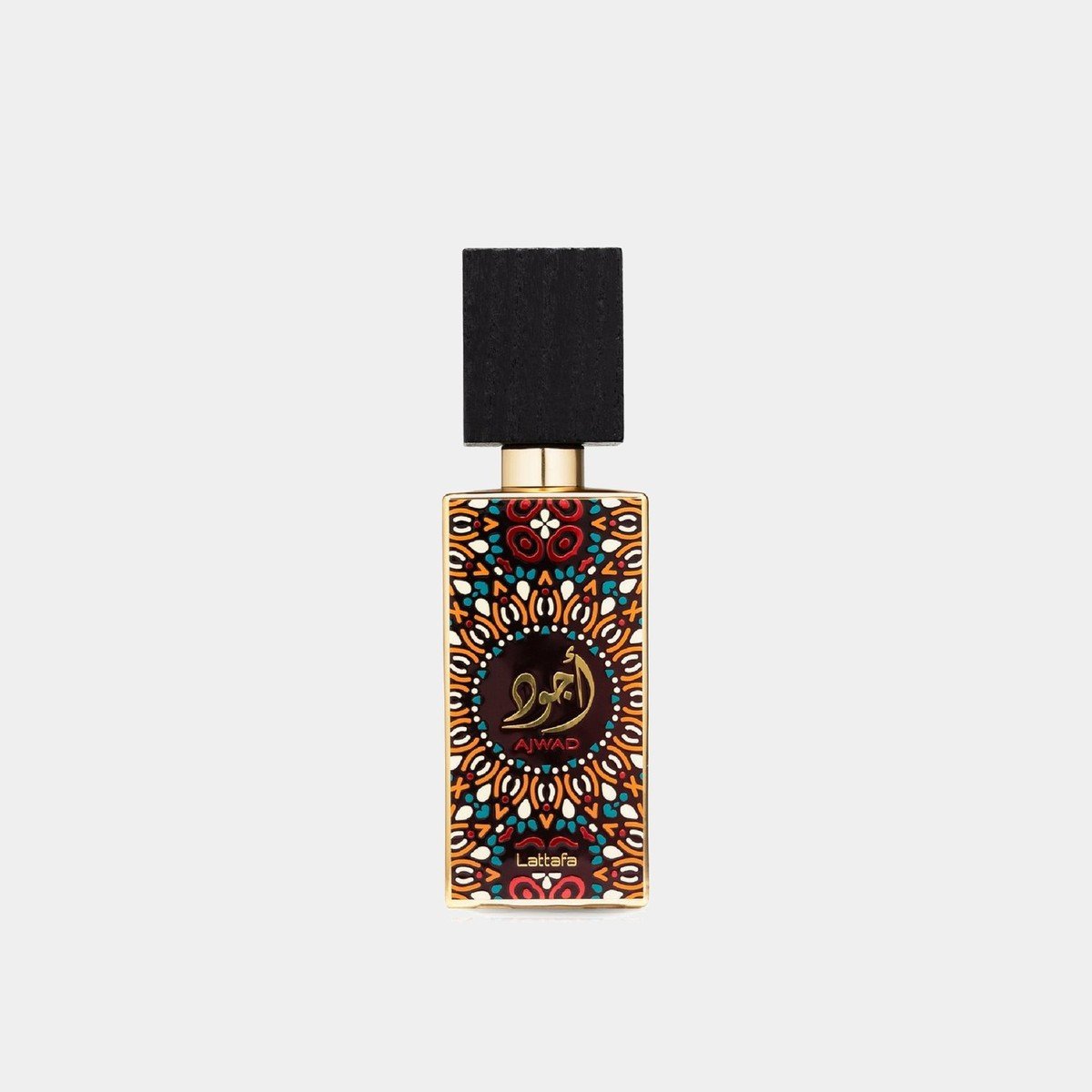
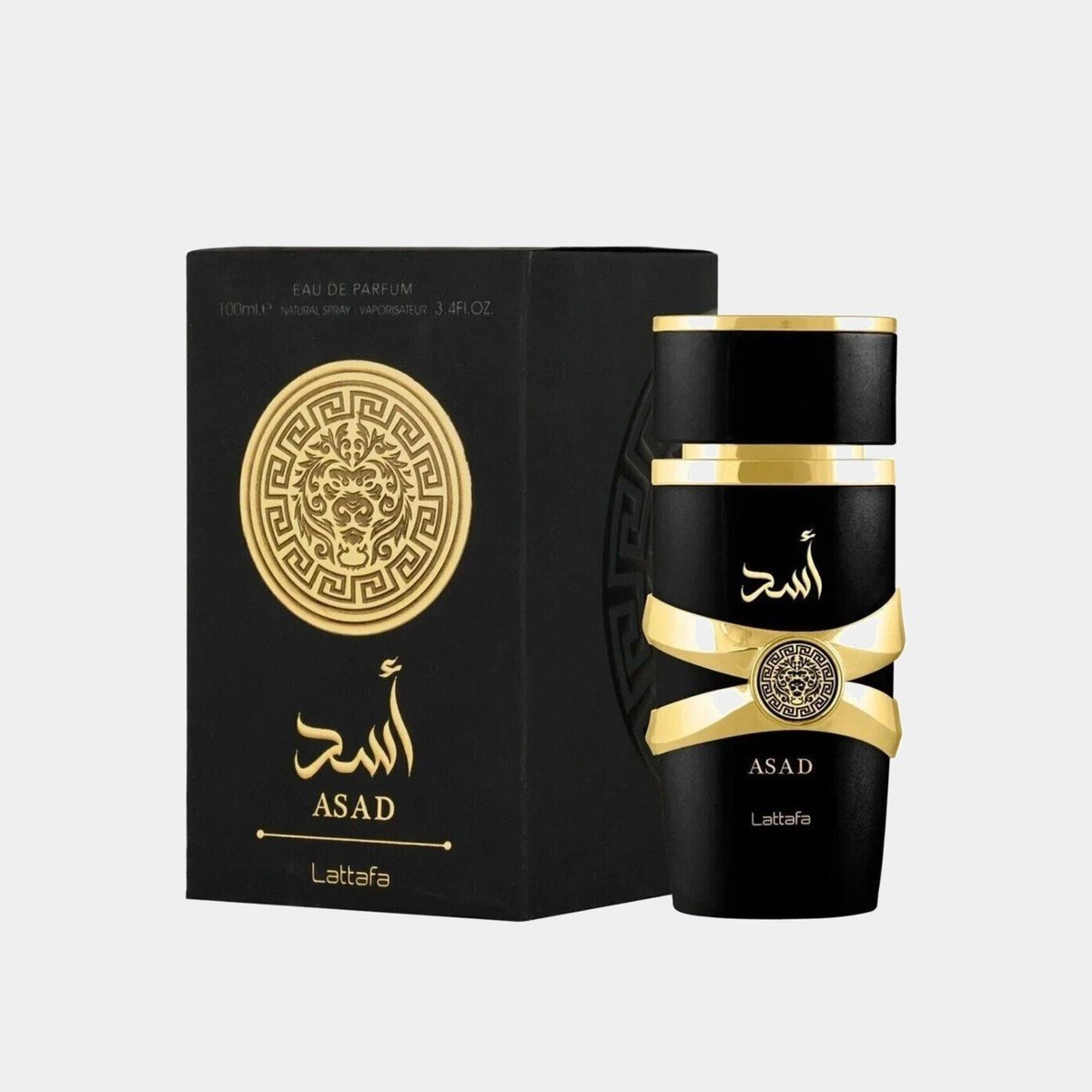
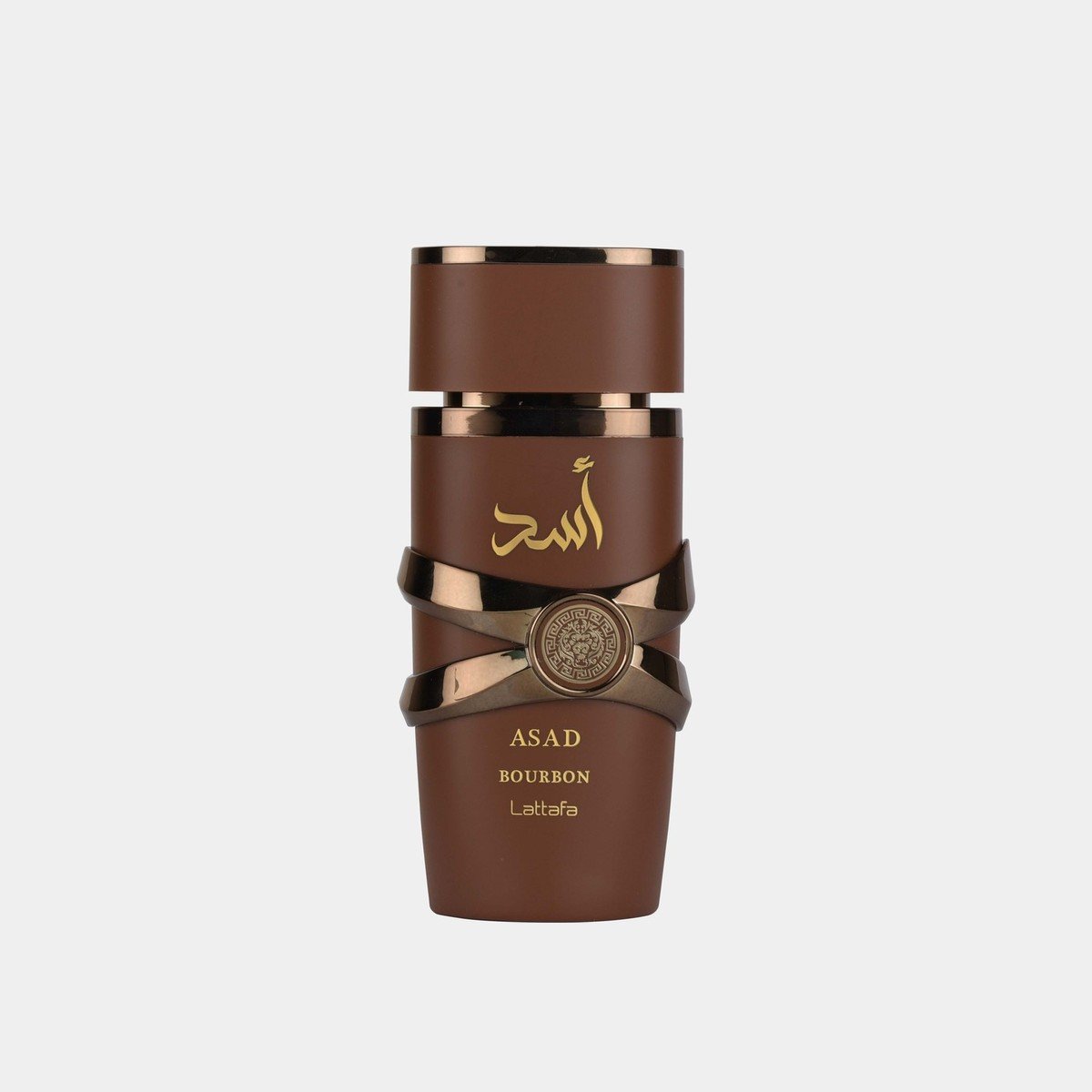
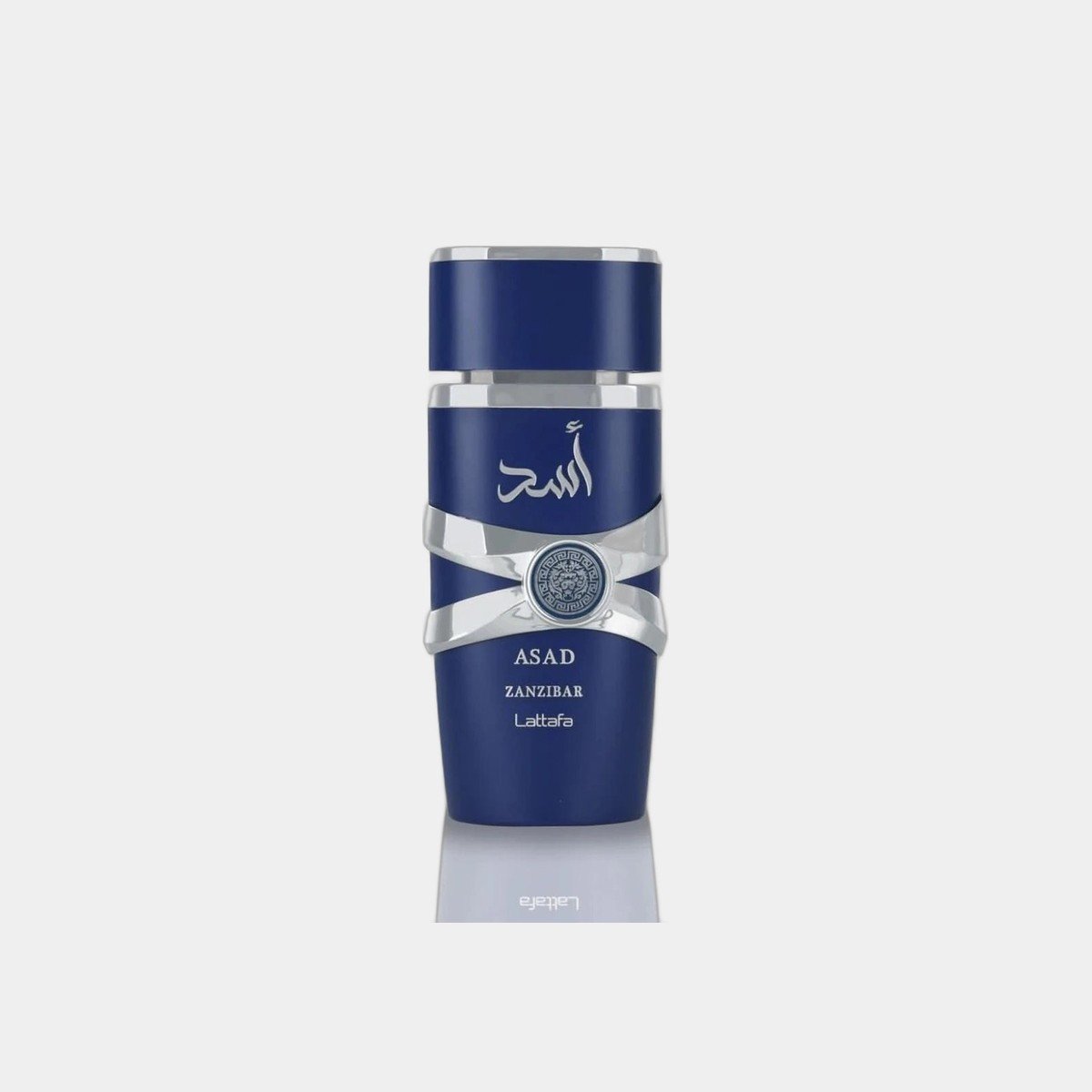
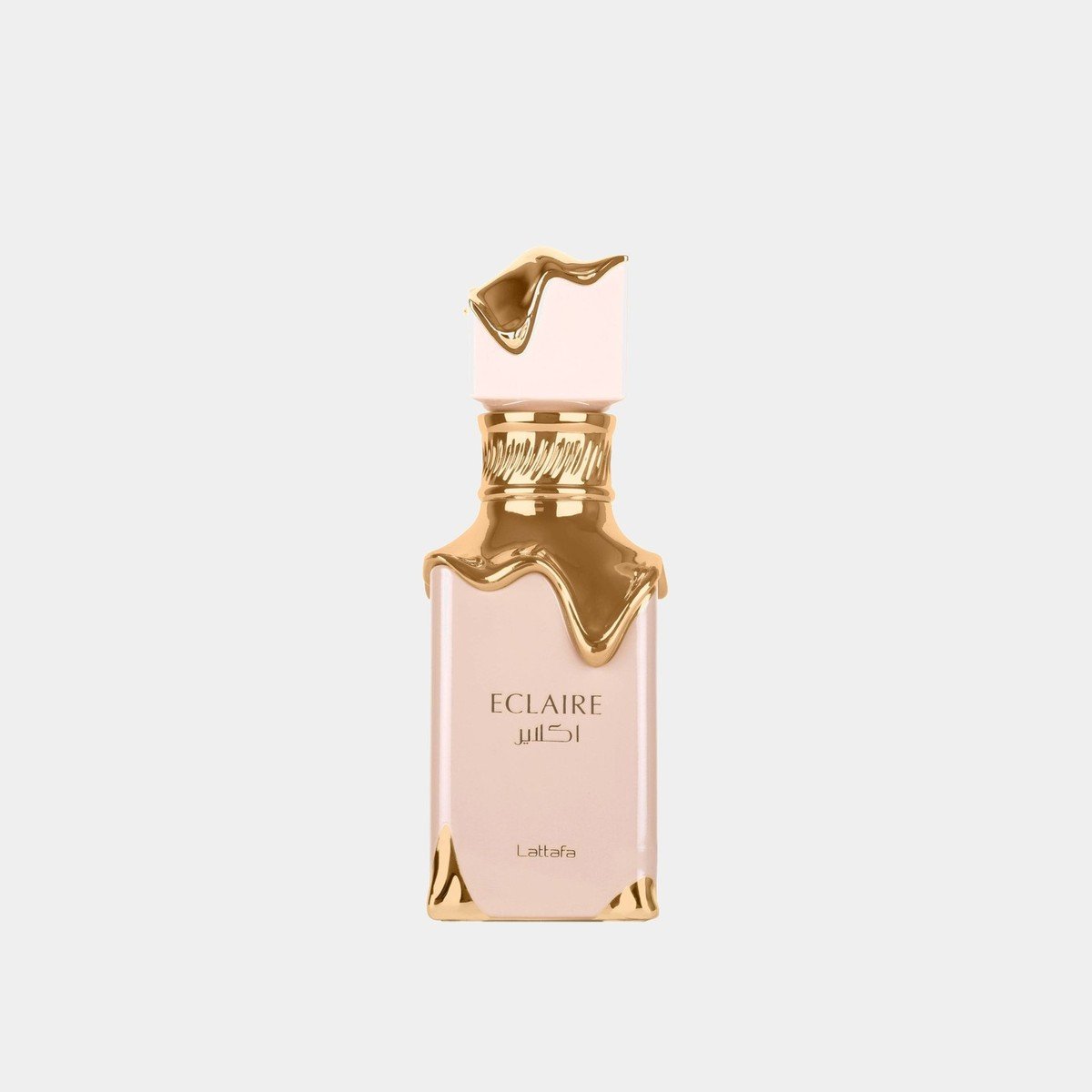
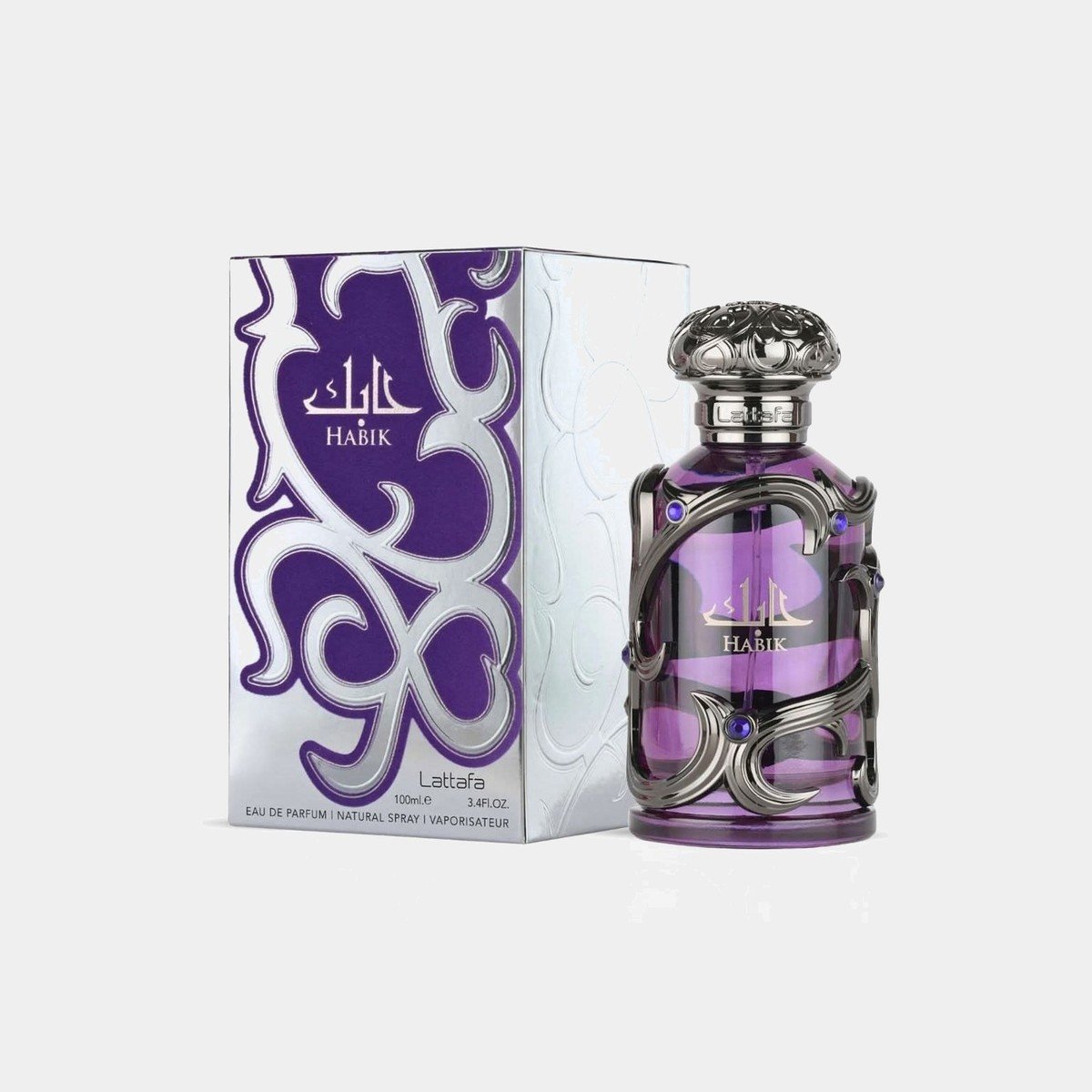
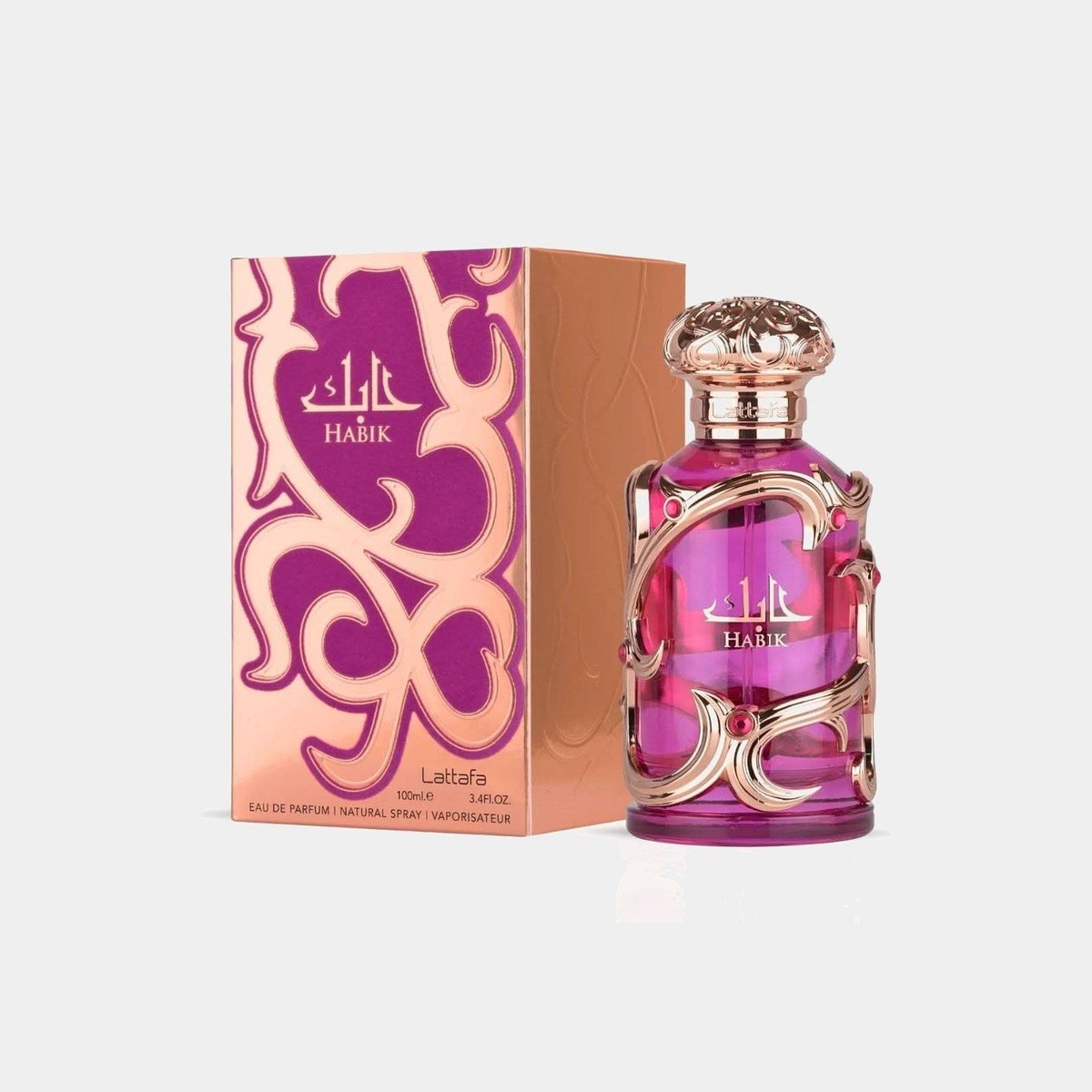
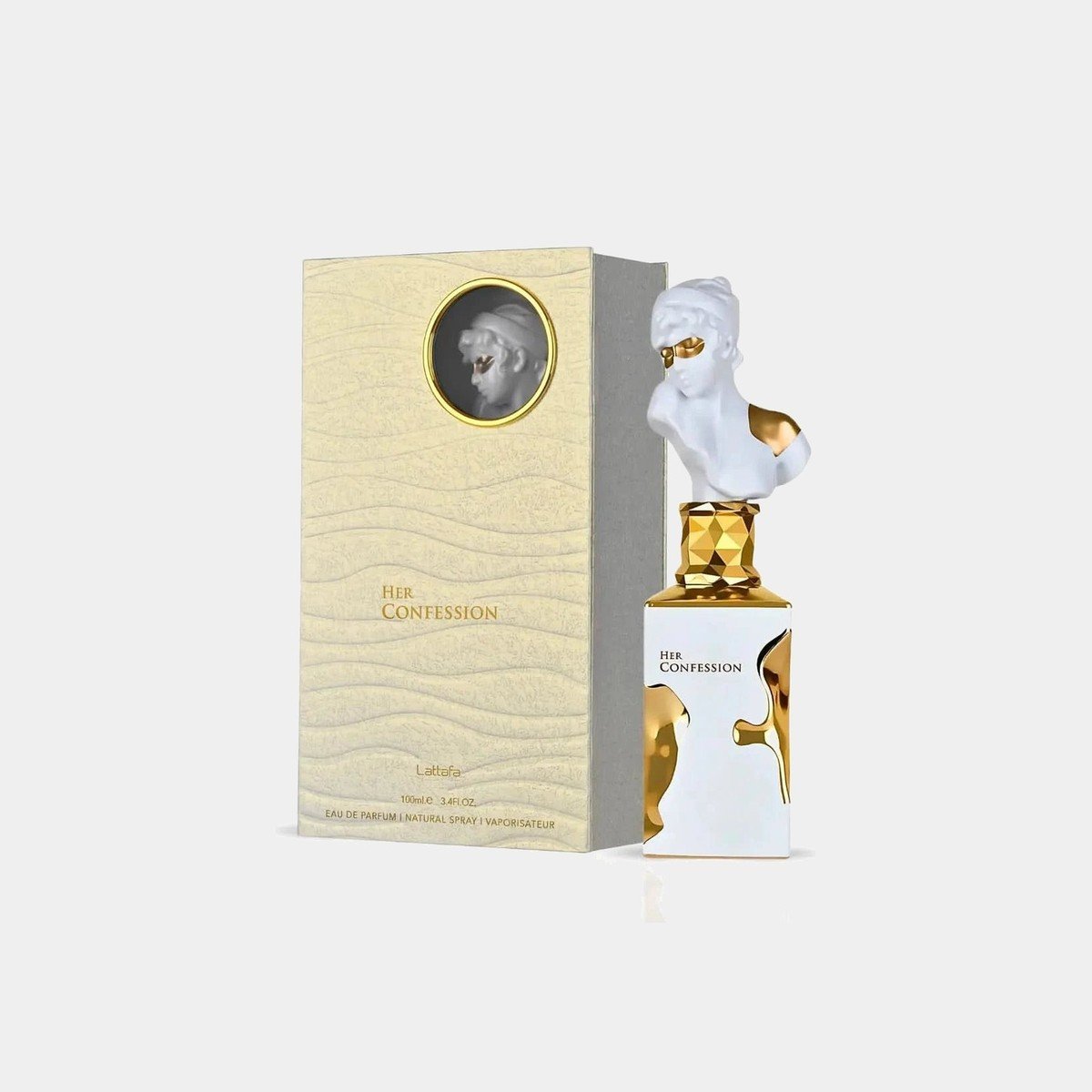
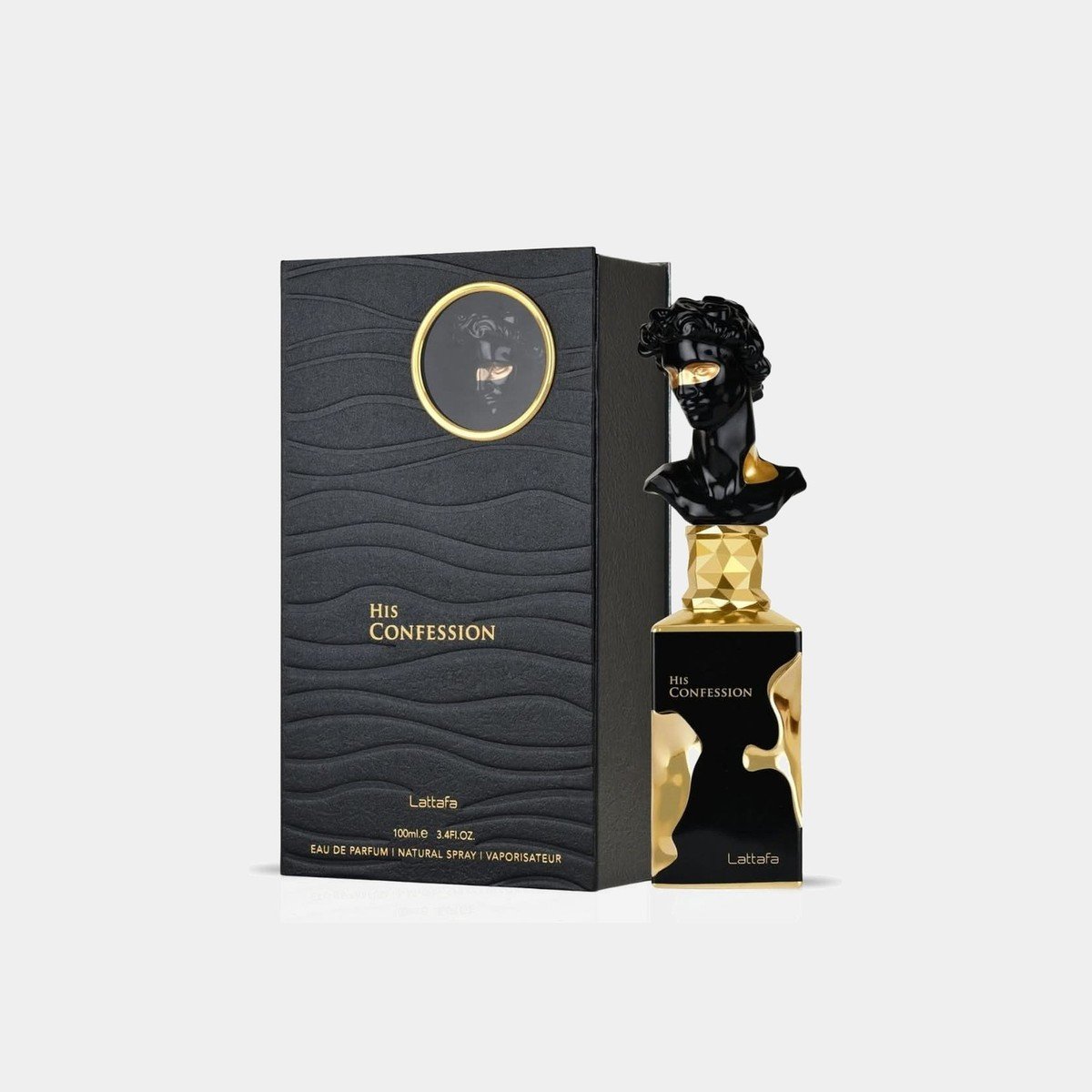
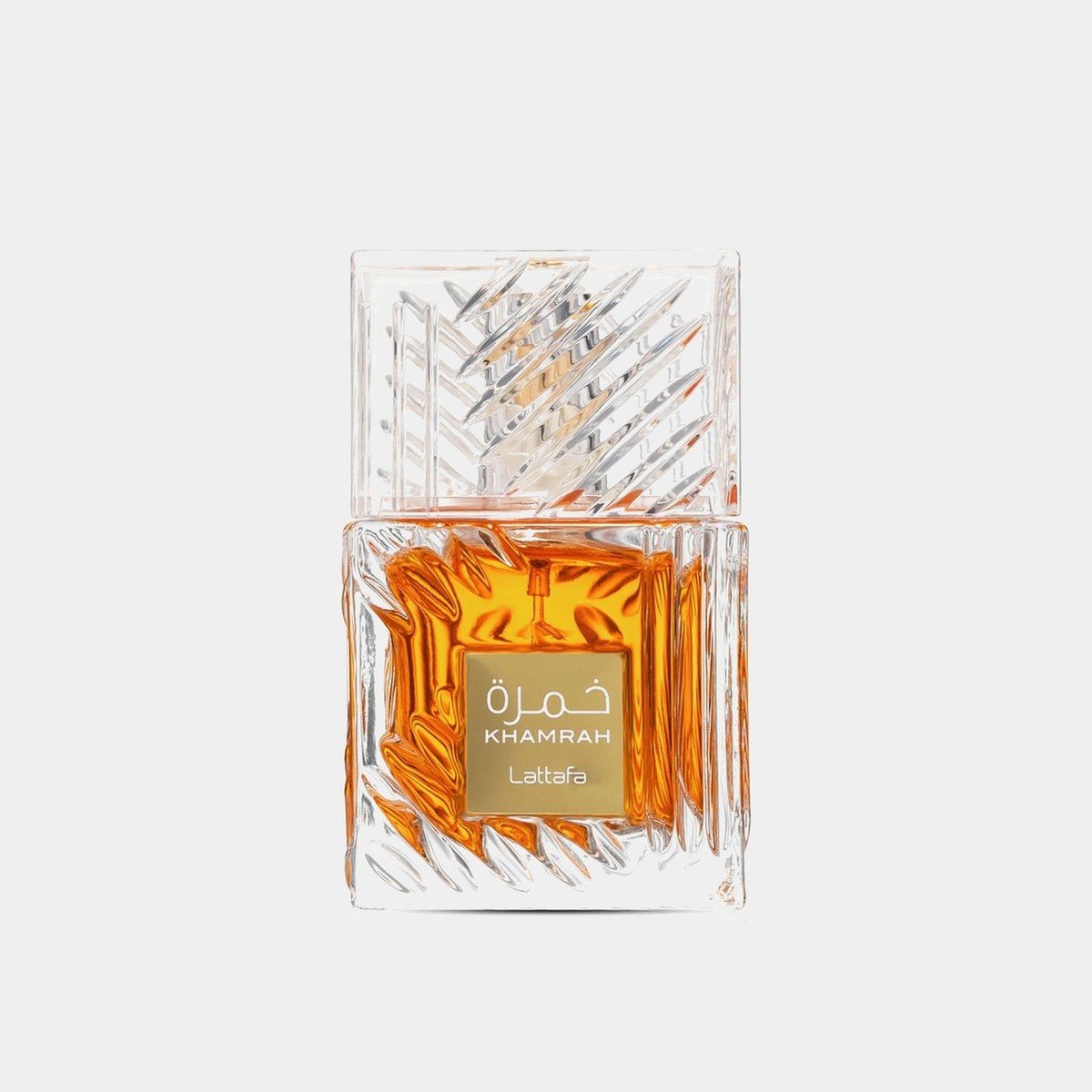
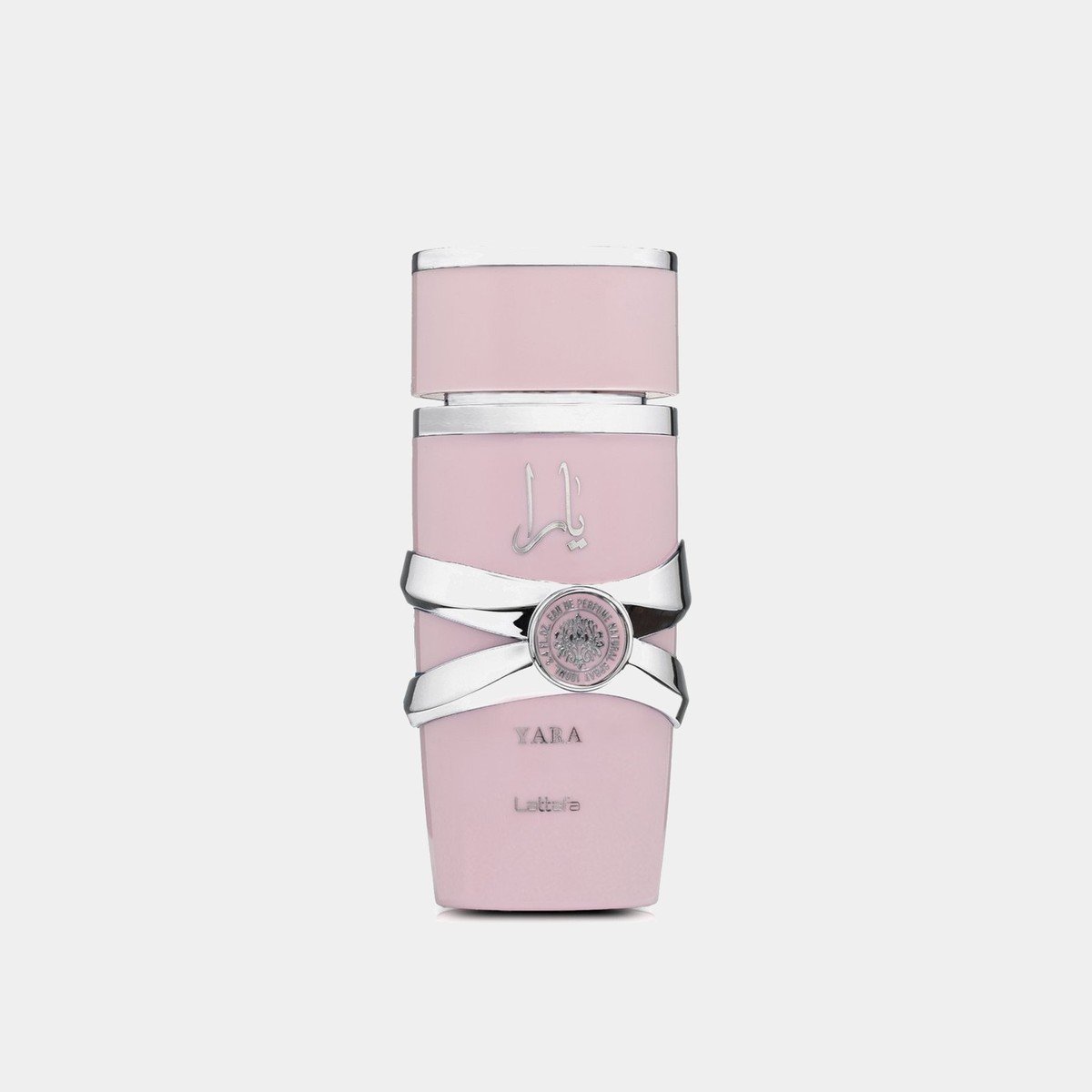
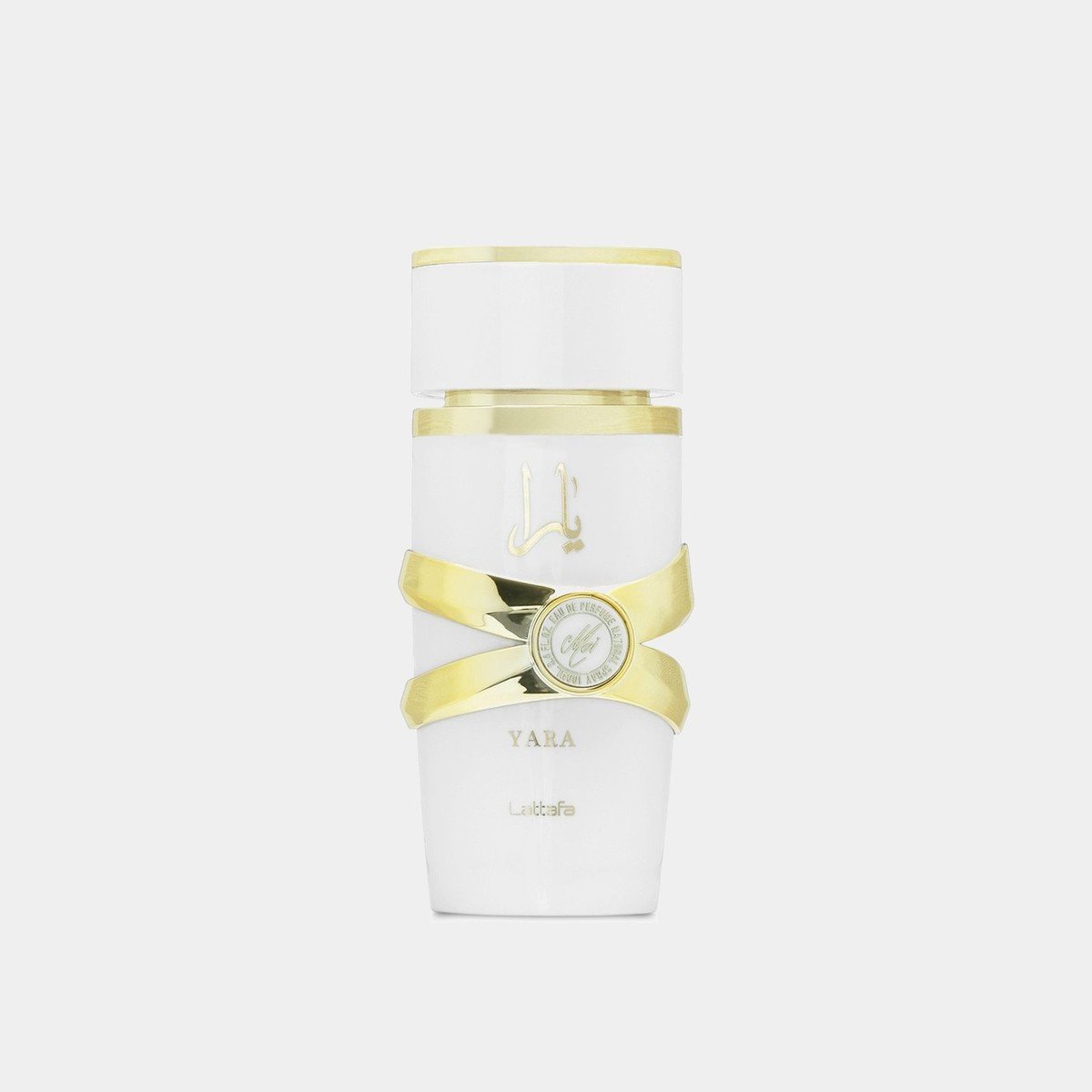
Perfume Dupes in stock
Dupe, clone, counterfeit — the difference
| Brand on the bottle | Dupe: the seller’s own · Counterfeit: the original brand’s |
|---|---|
| Legality | Dupe: legal · Counterfeit: illegal |
| Ingredient regulation | Dupe: normal cosmetic rules · Counterfeit: none |
| What you are told | Dupe: often stated openly · Counterfeit: sold as the genuine article |
Why some land and others miss
Most of the cost of a designer fragrance sits in a small number of materials: natural absolutes that are expensive per kilo, and captive molecules that a fragrance house develops and licenses exclusively to one client for a period of years. A dupe maker cannot buy the captive at all.
The consequence is predictable. The opening of a good dupe is usually close, because top notes are built from widely available citrus and aromatic materials. The heart is often close. The dry-down is where they part company. If someone tells you a dupe is indistinguishable, ask how it smells at hour four.
How to judge one before you buy
- Look for a published note list. A seller who will not tell you what is in it is asking you to buy on the picture alone.
- Read the base notes, not the top. The base decides how it smells for most of the wear.
- Check the concentration. A cheap eau de parfum often outperforms a pricier eau de toilette.
- Treat “inspired by” as a direction, not a promise. It tells you the family and the shape, not that the two are interchangeable.
- Test on skin. Paper strips show you the top notes and nothing else.
Frequently asked questions
What is a perfume dupe?
A fragrance built to smell similar to a better-known one, sold at a lower price under its own name. The bottle, brand and name are the seller’s own; only the scent profile is modelled on the original.
Are perfume dupes legal?
Yes. Fragrance formulas cannot be patented or copyrighted in most jurisdictions, so a composition can legally be reverse-engineered. What is illegal is copying the original’s trademark, bottle design or packaging.
Why do some dupes smell different from the original?
Because most of the cost of a designer fragrance is in a handful of expensive naturals and captive molecules that suppliers reserve for one client. A dupe can match the overall shape but usually diverges in the dry-down, where those materials do the work.
What is the difference between a dupe and a fake?
A dupe is an original product with a similar smell. A fake carries the original’s brand name and is sold as the real thing. Dupes are a legitimate category; fakes are counterfeit goods and can contain unregulated ingredients.